


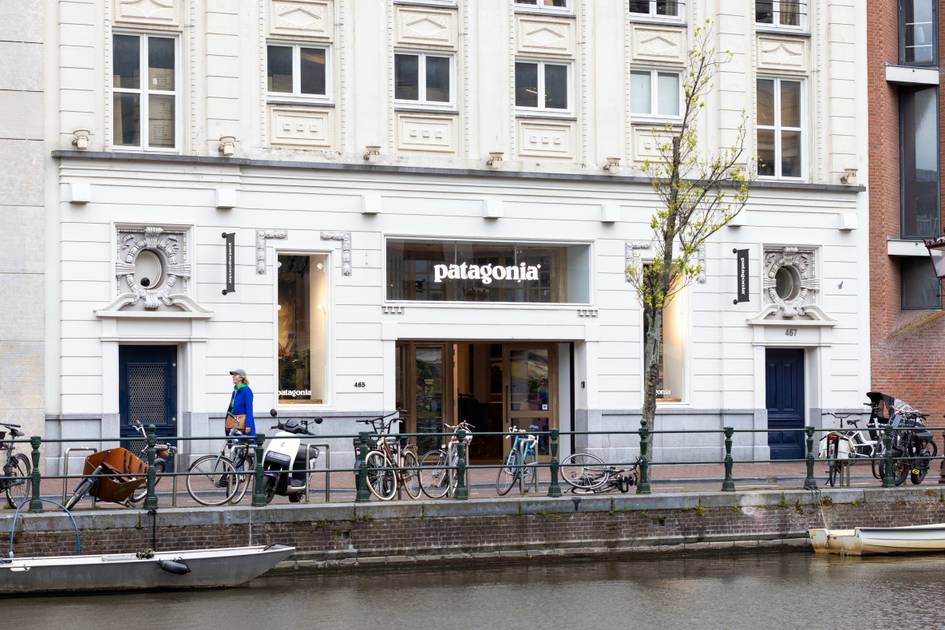
A drag queen and environmental activist, a billion-dollar outdoor clothing company and a trademark dispute that’s causing a stir online. Patagonia’s lawsuit against climate activist and performer Pattie Gonia has quickly become one of the fashion industry’s most closely watched legal battles.
But who exactly is Pattie Gonia? Why is Patagonia filing a lawsuit? And why does the case strike such a chord online?
First of all, who is Pattie Gonia?
Pattie Gonia is the drag persona of Wyn Wiley, a performer, environmentalist and community organizer from Oregon. Wiley is known for the combination of outdoor culture and climate activism. In recent years, Pattie Gonia has built a large online following with hiking content, environmental campaigns and nature drag performances.
The activist has raised millions of dollars for environmental nonprofits. This was done in part through large-scale fundraising initiatives, such as a 100-mile walk in full drag between Point Reyes National Seashore and San Francisco.
The name Pattie Gonia is a play on words referring to Patagonia, the geographic region that includes parts of Argentina and Chile. This region also inspired Yvon Chouinard, the founder of the outdoor clothing company Patagonia, who launched the brand in the 1970s. As Pattie Gonia’s platform grew, so did the collaborations, merchandise and branded activism campaigns, ultimately bringing the performer into Patagonia’s fold.
How did the legal dispute start?
Patagonia filed a trademark infringement lawsuit against Wiley in January in Los Angeles federal court. This happened after Pattie Gonia filed a trademark application for the name in September 2025.
According to Patagonia, the filing marks a shift from parody and activism to commercial branding. The company says the trademark application, which covers clothing, activism promotion and entertainment services, could cause confusion among consumers. In addition, it could weaken Patagonia’s own brand protection.
In the complaint, Patagonia alleges that Pattie Gonia uses branding, fonts and logo styles that are too similar to the brand’s own identity. The company also cites examples of merchandise and promotional materials that it says mimic Patagonia’s visual branding.
Patagonia is seeking $1 in damages, along with legal fees and an injunction to prevent further use of the trademark.
Patagonia said in an earlier statement: “While we would prefer not to do this, it has become necessary to protect the brand we have built over the past 50 years.” The company added that it tried for years to reach a mutual resolution with Pattie Gonia before filing the lawsuit.
Pattie Gonia strikes back
For months after filing the lawsuit, Pattie Gonia remained publicly silent. However, that changed this week when Wiley directly addressed the matter in a video on Instagram and shared an open letter calling on Patagonia to drop the lawsuit. Wiley said: “This is not a brand conflict. This is a company trying to erase an activist.”
Wiley accuses Patagonia of going against its own environmental mission and points to the company’s longstanding positioning as a leader in sustainability. In 2022, Patagonia transferred the company’s ownership to a trust structure intended to direct profits to environmental causes. At the time, the company stated: “The Earth is now our sole shareholder.”
Pattie Gonia also disagrees with Patagonia’s portrayal of past negotiations between the two parties. While Patagonia claims the discussions have been going on for several years and include attempts to set limits on brand usage, Wiley says there was “no broad agreement” on the future use of the drag name.
The performer further states that the examples in the lawsuit are parody and not infringement. “Drag is built on parody, puns and jokes,” said Wiley, who added that Patagonia used “carefully selected” examples of fan art and humorous branding.
While Patagonia argues that the case is not about identity, activism or creative expression, Pattie Gonia continues to believe that the lawsuit threatens not just a stage name, but an entire platform for environmental activism.
Why has the lawsuit received so much attention?
Much of the fuss stems from the perceived contradiction between Patagonia’s environmental message and the legal action against a climate activist whose work largely aligns with the company’s values.
Supporters of Pattie Gonia have flooded Patagonia’s social media accounts with calls to drop the lawsuit. Public figures, including drag artists and comedians, have also criticized the timing of the case, so close to Pride Month.
Similar name disputes have also occurred in the broader drag world. Several artists have previously been forced to change their names after branding conflicts, despite the long history of drag names based on puns.
For Patagonia, however, the issue appears to revolve around long-term control of the trademark. The company argues that allowing Pattie Gonia’s trademark registration could weaken its ability to commercially defend the Patagonia name in the future.
In a statement on Instagram, Patagonia said: “The last thing we wanted was a legal battle with someone who shares our values. But we must protect our company and our employees.”
This article has been translated into Dutch using an AI tool.
FashionUnited uses AI language tools to speed up the translation of (news) articles and proofread the translations to improve the end result. This saves our human journalists time that they can spend on research and writing their own articles. Articles translated using AI are checked and edited by a human desk editor before going online. If you have any questions or comments about this process, please email info@fashionunited.com.
