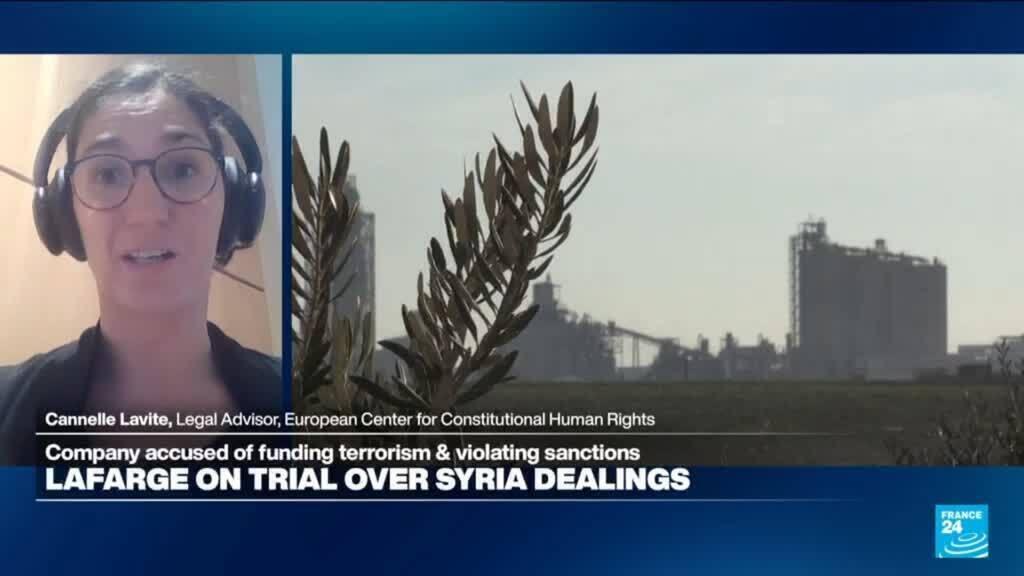
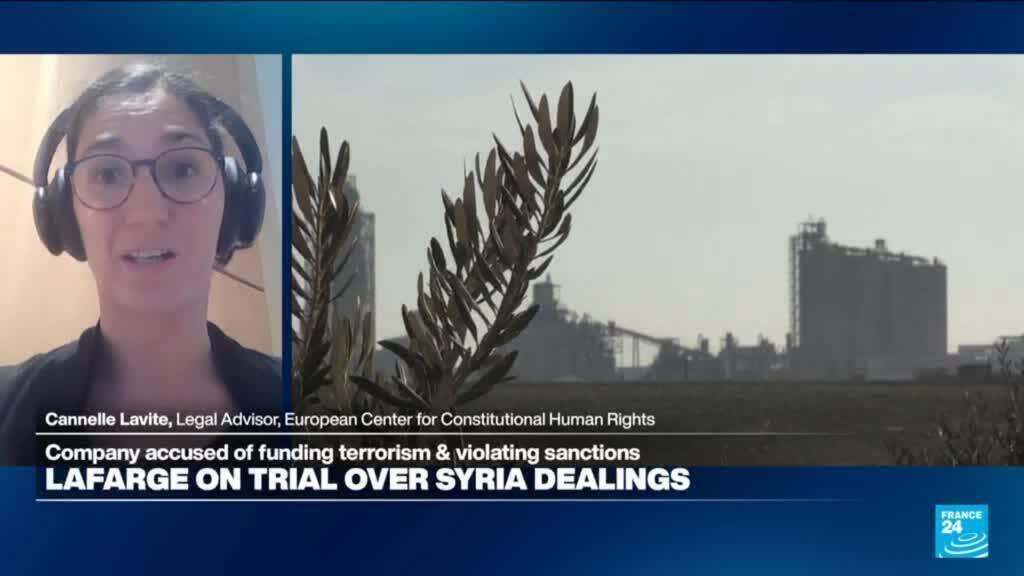
It is one of the most consequential legal proceedings in modern corporate history — a trial that could redefine what accountability means in the global economy. The Lafarge case, now before French courts, marks the first time a company as a legal entity is being prosecuted in France for financing a terrorist enterprise. Even more striking, it is the first case where a corporation faces this charge for payments made through a foreign subsidiary. At its heart lies a question that has haunted global business for decades: can a multinational corporation claim ignorance of crimes committed in its own supply chain, or by its own subsidiaries, when the profits keep flowing home? For in-depth analysis and a deeper perspective, Annette Young welcomes Cannelle Lavite, Co-Program Director for Business and Human Rights at the European Center for Constitutional and Human Rights.
Trending
- Ed Sheeran speaks on Gaza after Macklemore controversy
- French singer Amanda Lear accuses US star Miley Cyrus of 'copying' 1970s hit
- Ed Sheeran – News, views, pictures, video
- London designers want you to know the hands that made these clothes
- Paramount, state attorneys general settle case | News
- Paramount Deal Terms Laid Out By CA AG Rob Bonta, Who Says It Is “Not A Blessing” Of WBD Merger
- Inside the Making of Prime Video‘s ‘The Love Hypothesis’ Movie
- Ken Jeong on ’99 to Beat’ S2, Joel McHale and Love of Baseball