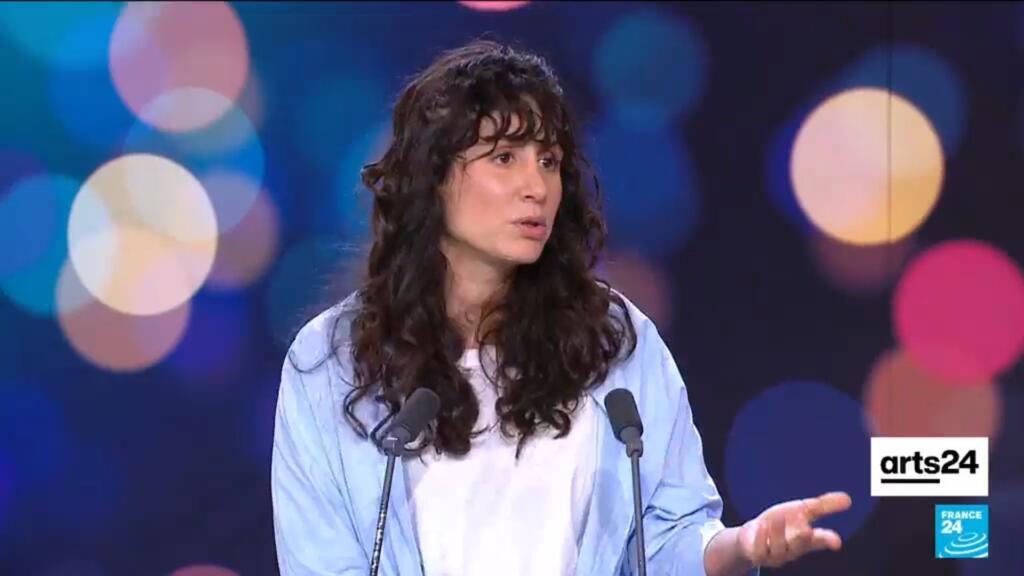

Aïda Asgharzadeh was widely praised for her powerful exploration of dissidence and exile in Persian Dolls, weaving her own family’s story into a drama spanning Iran and France. Her deft use of history as a backdrop to intimate, personal narratives is once again in focus with her latest play, The Last Cedar of Lebanon, which examines how individuals respond to the pressures of war and violence – and how geopolitical upheaval can echo across generations. Speaking to FRANCE 24, she explains how creating an emotional landscape lies at the heart of her work, and why, as an Iranian, she struggles to see a hopeful outcome amid the current turmoil of war.
Trending
- ‘It was fake’: Indian villagers allege forgery behind Adani mine project | Mining News
- PSG back on top of Ligue 1 after stunning Strasbourg comeback
- Issues facing German national team after Klopp’s rough start
- Other Desert Cities review: Julia Louis-Dreyfus and Ed Harris star in Broadway revival with little spark
- Should we be worried about a plague outbreak in Russia?
- eBay boss issues warning to Labour government over online tax crackdown
- Who capped Starlink in Ukraine? Musk, Trump and Rubio give three different answers
- Meghan Markle – Latest news and pictures of the Duchess of Sussex