


Oil prices held near $100 a barrel on Wednesday after US president Donald Trump announced an indefinite extension of the ceasefire with Iran just hours before it was due to expire.
The Strait of Hormuz remained closed and it was unclear whether Iran or Israel had agreed to the new arrangement.
Brent crude slipped 0.17 per cent to $98.27 a barrel and US West Texas Intermediate fell 0.42 per cent to $89.29, swinging between gains and losses as markets weighed a ceasefire extension that seemed to be unilateral against the continued closure of the waterway through which a fifth of the world’s energy supply flowed before the US and Israel launched the war on Iran.
Mr Trump said the US navy would continue blockading Iran’s ports and shores, meaning traffic through the strait was likely to remain at a standstill.
The president said he had agreed to a request by Pakistani mediators “to hold our attack on the country of Iran until such time as their leaders and representatives can come up with a unified proposal”.
But initial reactions from Tehran were sceptical. Tasnim news agency, affiliated with the Revolutionary Guard, said Iran had not asked for a ceasefire extension and repeated threats to break the US blockade by force. An adviser to Iran’s lead negotiator said that Mr Trump’s announcement carried little weight and could be a ploy.
Markets, however, took the ceasefire extension largely in stride. S&P 500 futures rose 0.6 per cent and Nasdaq futures gained 0.7 per cent in Asian hours. Japan’s Nikkei surged to a record high, while MSCI’s broadest index of Asia-Pacific shares outside Japan fell 0.5 per cent after hitting a seven-week high on Tuesday.
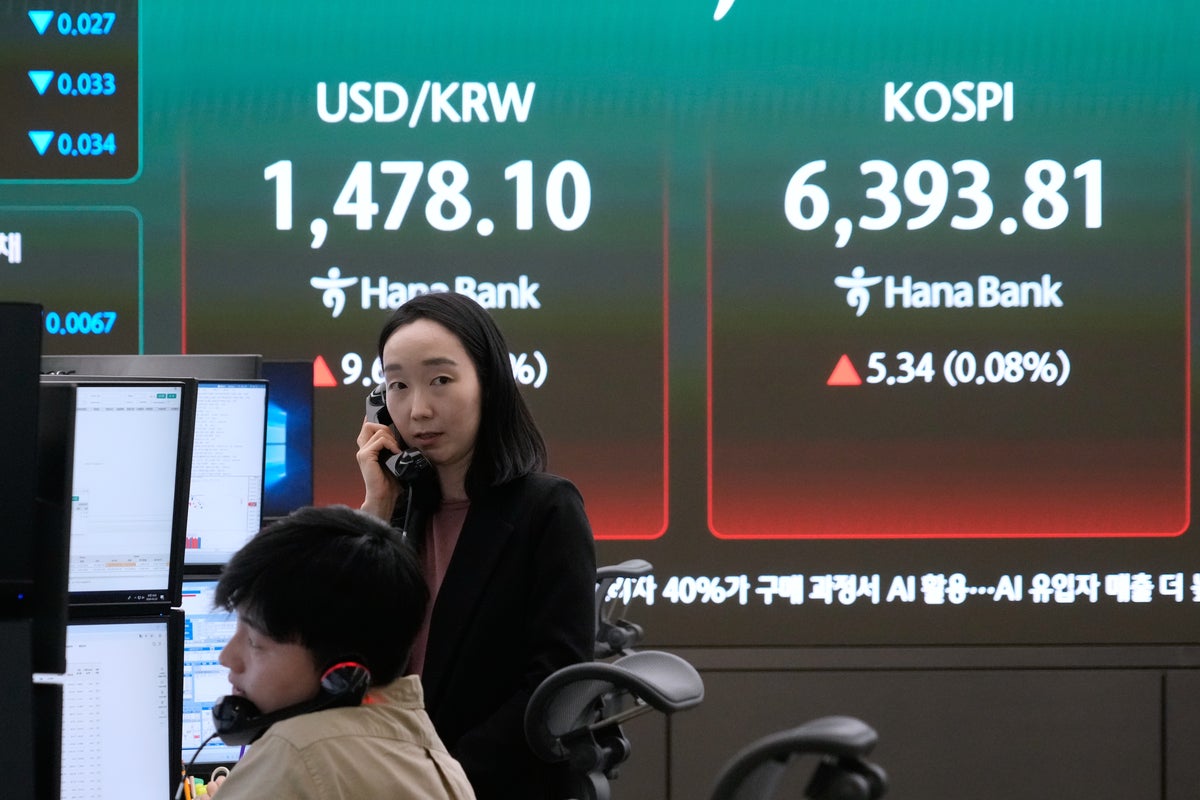
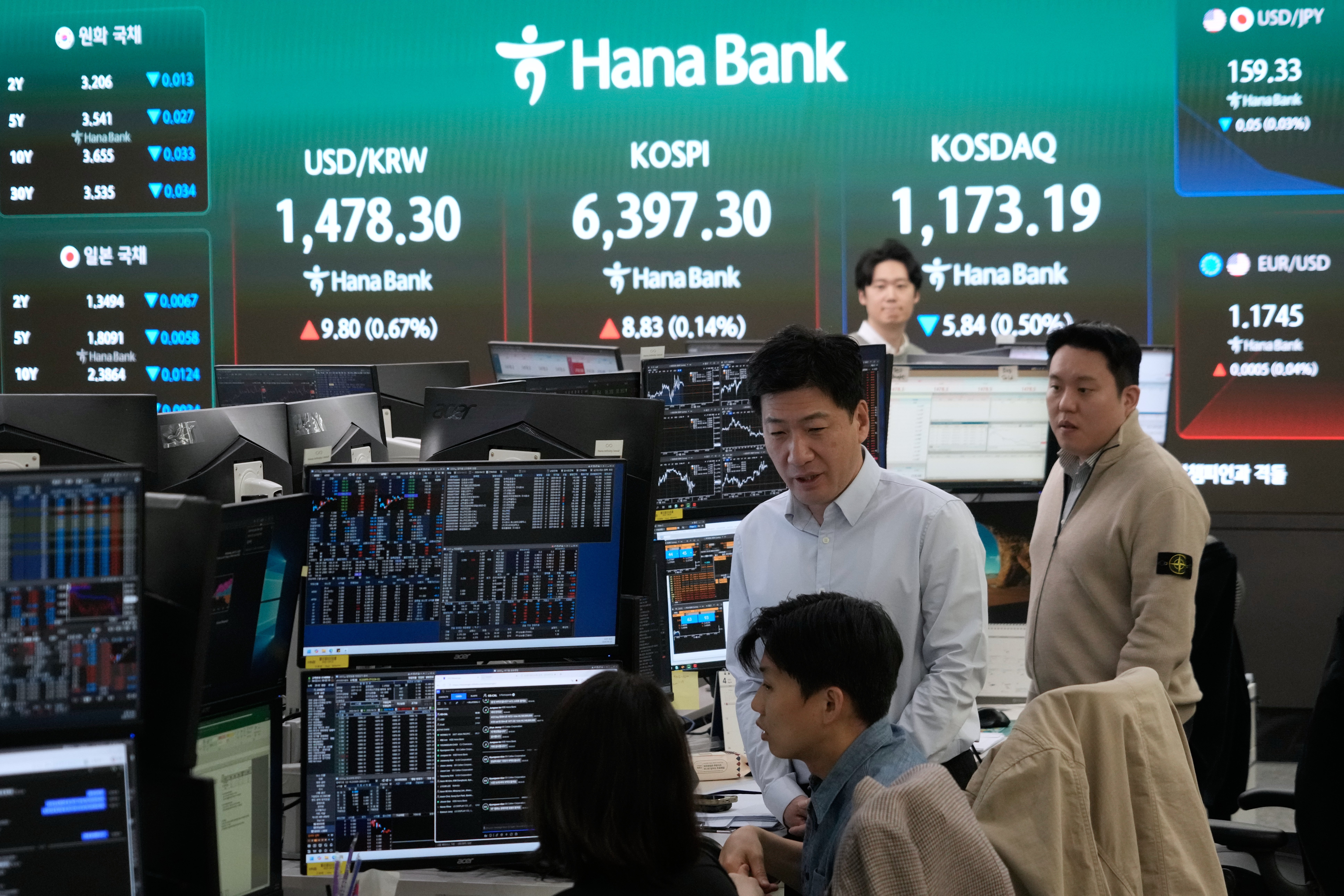
South Korean and Taiwanese stocks also hit record highs on renewed enthusiasm for AI-related stocks.
“It appears markets were right to assume peak war uncertainty is behind us,” Matt Simpson, senior market analyst at StoneX, told Reuters.
“Risk seems likely to remain buoyant and dips viewed favourably by equity bulls. The closure of the Strait of Hormuz is already priced in.”
Other experts cautioned against complacency. “We expect markets to remain volatile for now given the uncertainty with Hormuz and because the duration and scale of the crisis remain unclear,” Vasu Menon, managing director of investment strategy at OCBC, said, according to the news agency.
Thomas Mathews, head of markets for Asia-Pacific at Capital Economics, noted that the earlier ceasefire had been widely seen as indefinite, making the extension unsurprising to investors.
“Obviously, any news on the reopening of the strait is a good candidate for the next big market flashpoint,” he said.
The energy fallout from the war continued to spread. The European Commission is set to outline plans on Wednesday to cut electricity taxes and coordinate summer gas storage refills across member states, as Europe braces for what analysts say could be its second major energy crisis in four years.
Europe’s benchmark gas price on Tuesday was roughly a third higher than before the war began on 28 February.
Airlines say jet fuel shortages will likely emerge within weeks, and the EU plans to issue guidance to governments on managing potential shortfalls and to recommend businesses avoid air travel where possible.
The EU produced 71 per cent of its electricity from low-carbon sources last year, up from around 60 per cent in 2022, limiting its electricity exposure, but oil and gas remained heavily import-dependent.
The Iran crisis was also visible in US economic data, with retail sales in March rising more than expected as soaring petrol prices drove a record surge in receipts at service stations.
UK inflation data for March, due on Wednesday, is expected to show the rate accelerated to 3.3 per cent from 3 per cent in February, with energy prices a key driver.
Tesla and Texas Instruments report quarterly earnings later on Wednesday, with investors watching for signs of how companies are navigating the upheaval in energy and supply chains.
Kevin Warsh, Mr Trump’s nominee to lead the Federal Reserve, said at his Senate confirmation hearing he had made no promises to the president about cutting interest rates and was committed to ensuring monetary policy “remains strictly independent”.
The dollar index held near 98.35, close to its highest level in a week but still down 1.5 per cent in April after rising 2.3 per cent in March. The euro traded at $1.1744 and sterling firmed to $1.351. Gold held near $4,820 an ounce.
