


Textile recycling specialist Re&Up Recycling Technologies announces a strategic partnership with American denim brand Madewell and global fabric manufacturer Isko.
By converting approximately 20,000 used jeans into a high-quality recycled raw material for a ‘textile-to-textile’ denim collection from Madewell, the partner companies demonstrate the market maturity of circular systems for the denim sector.
The challenge with old jeans lies mainly in the diversity of materials and the varying wear and tear through use. The Re&Up process is therefore designed in such a way that it functions independently of the original material composition and converts textile waste into a new ‘raw material building block’.
Recycling of mixed fabrics into Next-Gen-Cotton and polyester
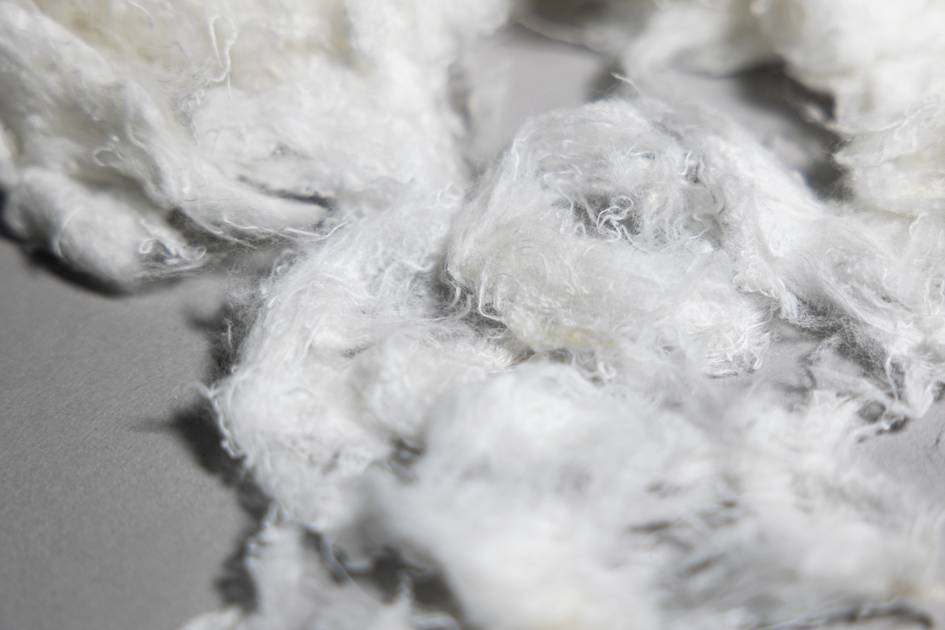
Re&Up’s advanced recycling technology makes it possible to decompose and process these used garments into Next-Gen cotton and polyester fibers that meet the sustainability and aesthetic requirements of the premium denim market. Denim weaver Isko is responsible for further processing the fibers and processes them into Global Recycled Standard (GRS)-certified fabrics.
The American denim brand Madewell is now using the material for a capsule collection that was launched in April and sold through its online shop. Founded in 2006, the brand has had a denim trade-in initiative for more than a decade, having collected and recycled more than two million pairs of jeans.
“Closing the loop for post-consumer denim requires industrial precision,” said Marco Lucietti, Director of Global Marketing & Communications at RE&UP. “Our collaboration with Madewell and ISKO shows that we can take complex, worn garments and reintegrate them into the supply chain as high-quality Next-Gen cotton and polyester. This is a model for how brands can use their own trade-in systems to create a repeatable, closed loop production cycle.”
Isko and Re&Up both belong to the international conglomerate Sanko Group. Backed by Sanko’s centenary expertise in textile innovation, Re&Up creates a seamless circular ecosystem that converts textile waste into high-quality raw materials at scale at the end of its life.
This article has been translated into Dutch using an AI tool.
FashionUnited uses AI language tools to speed up the translation of (news) articles and proofread the translations to improve the end result. This saves our human journalists time that they can spend on research and writing their own articles. Articles translated using AI are checked and edited by a human desk editor before going online. If you have any questions or comments about this process, please email info@fashionunited.com.
