



Want to bookmark your favourite articles and stories to read or reference later? Start your Independent Membership today.
Join today
Already a member?
Log in
There is a small boy in a Broadway café who has no idea who Andrew Lloyd Webber is. Or perhaps he knows just enough to want nothing to do with him.
Lloyd Webber is sitting nearby when he overhears a mother ask her fractious son whether he would like to see one of his musicals that evening.
“No,” says the boy.
“Behave yourself, then,” replies his mother.
Lloyd Webber recounts the exchange with evident relish. After a lifetime of spectacular success, he can still be reduced to a parental punishment.
“I always tell myself those sort of stories,” he says. “Because it’s all very well, all of that, you know? But the fact is, I’m bloody lucky.”
He pauses.
Watch the full interview on YouTube: Andrew Lloyd Webber in conversation with Geordie Greig for The Talk Show
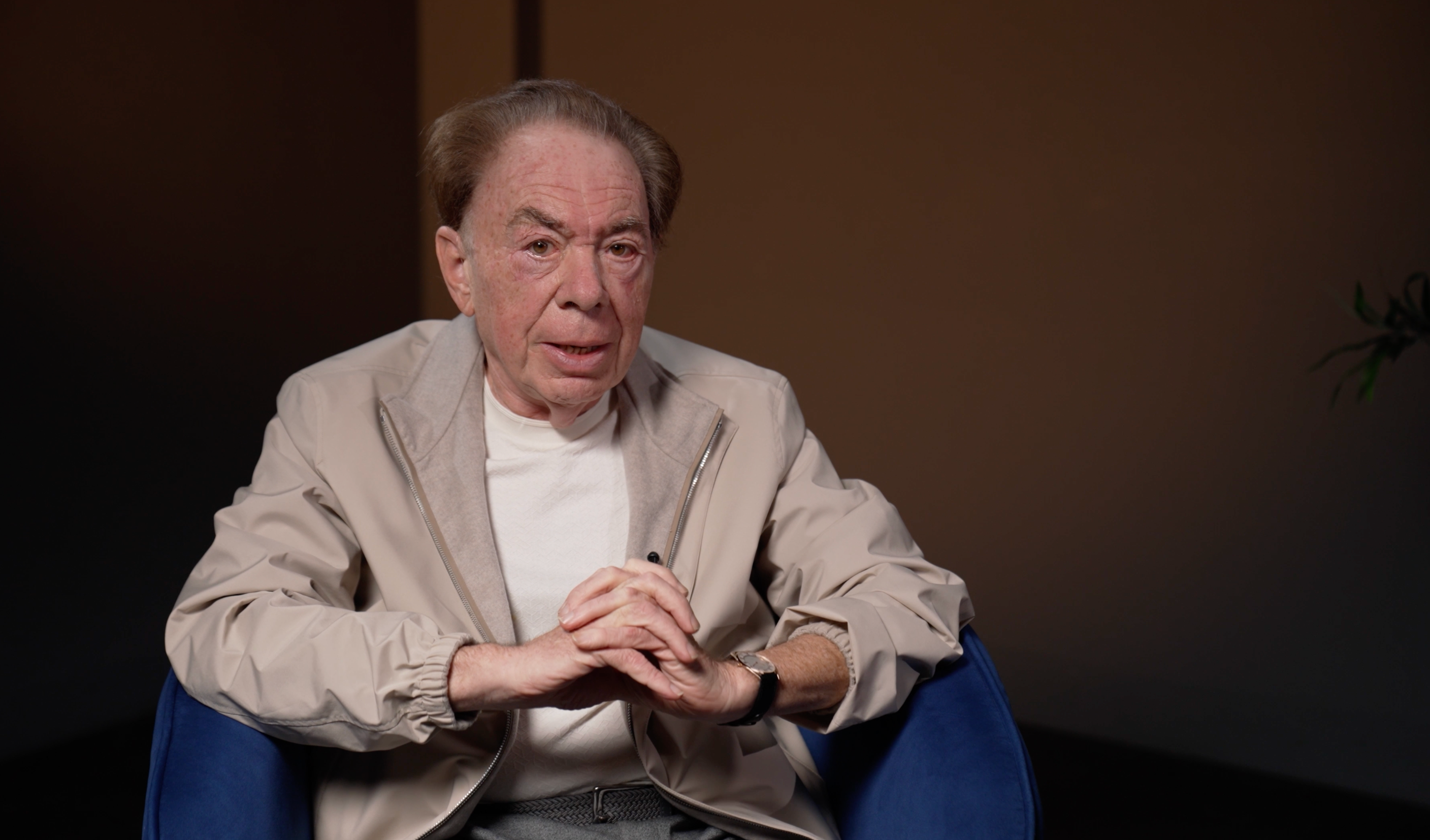
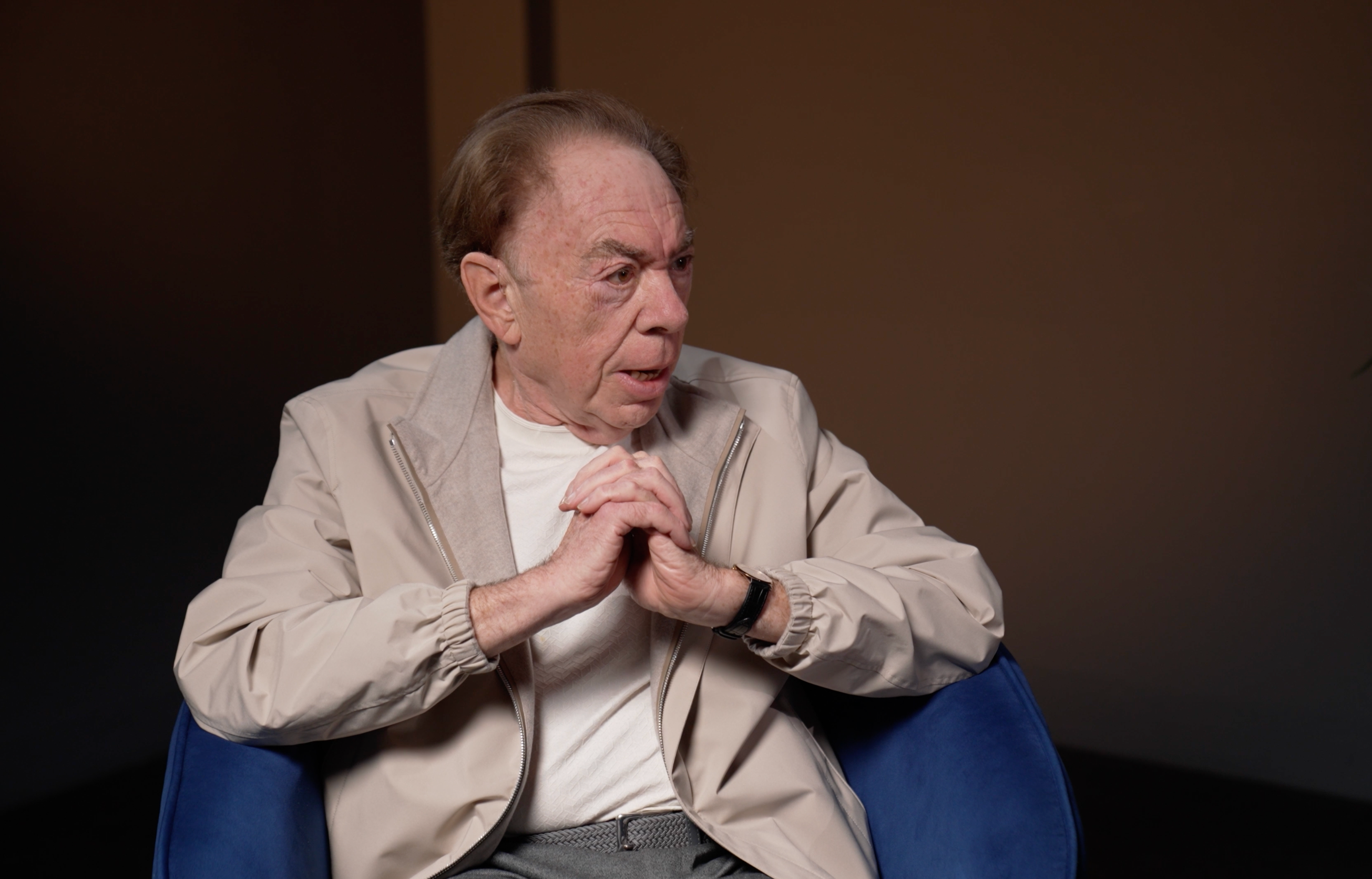
“I have done the thing in life that I really love doing, which is a fantastically lucky thing to do,” he says in an interview with Geordie Greig, Editor in Chief of The Independent for The Talk Show.
It is an unexpectedly modest reflection from a man whose melodies have travelled further than he ever could. At 78, Lloyd Webber has written more than 20 musicals, built a theatrical empire and created music that has become part of the lives of millions. Forty years after The Phantom of the Opera opened, an estimated 160 million people have seen the show.
Yet luck takes on a different significance when he talks about life away from the stage. His eldest son, Nick, died of stomach cancer. Lloyd Webber survived an aggressive form of prostate cancer. His dependence on alcohol brought him close to losing his wife, Madeleine, and his family.
For a composer who has made a career of giving shape to intense emotions, these experiences have exposed the limits of what art can accomplish. Music can make grief audible, love monumental and tragedy bearable for an audience. It cannot reverse a diagnosis or restore a life.
When Lloyd Webber remembers Nick, his eyes fill and his voice falters. His last memory of his son is not of a hospital room or a dramatic farewell, but of the two of them reading PG Wodehouse together, sharing the novelist’s absurdities. They particularly enjoyed a line about an apple which, if well aimed, keeps the doctor away.
They had also been talking about genes.
“That’s the last memory I have of him.”
He pauses, unable to continue for a moment.
Nick had come through a difficult period, married a woman his father describes as lovely and become a father himself. There was every reason to believe his life was moving in the right direction. Then came the diagnosis. By the time the cancer was discovered, it was terminal.
“It was very difficult,” Lloyd Webber says quietly.
The family has found a way to keep Nick present. In an orchard, a tree is planted whenever a new child is born, in his memory. As the family grows, the trees grow with it: a living record of the future Nick did not have.
Through his son’s illness and death, Lloyd Webber says, Madeleine was a source of extraordinary strength. She helped organise Nick’s final medical care and supported the family through the ordeal.
“Without her, I don’t know whether I would’ve got through all of this.”
Fifteen years ago, Lloyd Webber himself was diagnosed with an aggressive form of prostate cancer. He had no obvious symptoms; a routine PSA test revealed a dramatic rise from a previously low reading.
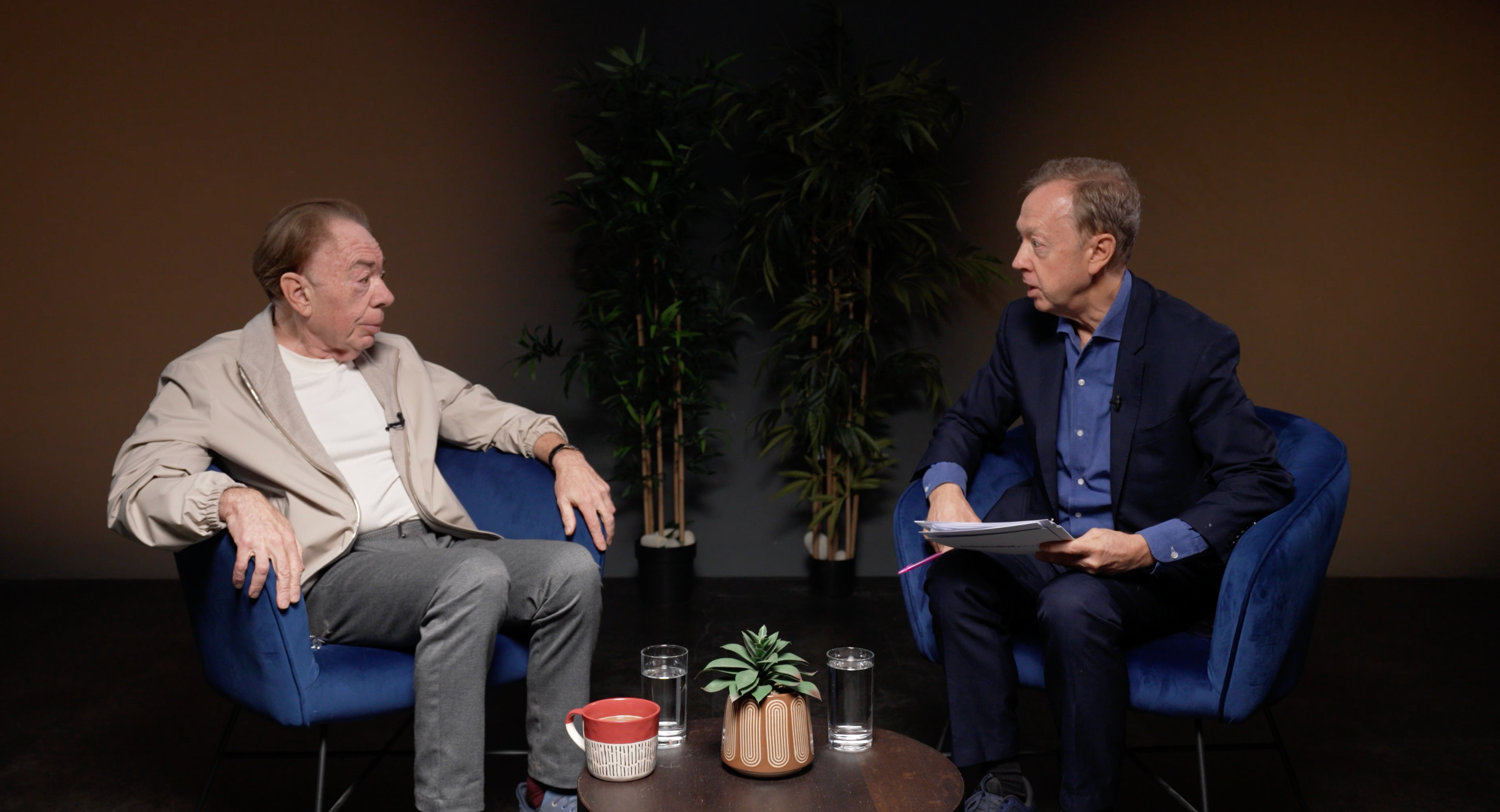
“My one was very aggressive,” he says. “They caught it just before it was going to have a little saunter around my body.”
The dry humour is characteristic. He has spoken publicly about prostate cancer because he believes men remain too reluctant to discuss it and seek testing. His own survival reinforced the importance of early detection.
But his experience leaves him with an uncomfortable distinction: he was fortunate enough to survive, while his son was not. There is no lesson that can reconcile the two outcomes.
Perhaps this is why his insistence that he is lucky sounds more convincing than any claim to having mastered life. He knows the difference between what can be controlled and what cannot.
His relationship with alcohol began innocuously enough, with a restaurant menu.
At 14, he was taken to dinner by an aunt, a glamorous cookery writer and early television personality. A line at the bottom of the menu caught his attention.
“A meal without wine is like a day without sunshine.”
He took it to heart, collecting wine while still at school and developing a serious interest in Burgundy and Bordeaux. For years, it belonged to his idea of the good life: food, conversation and pleasure.
Eventually, it became a dependence.
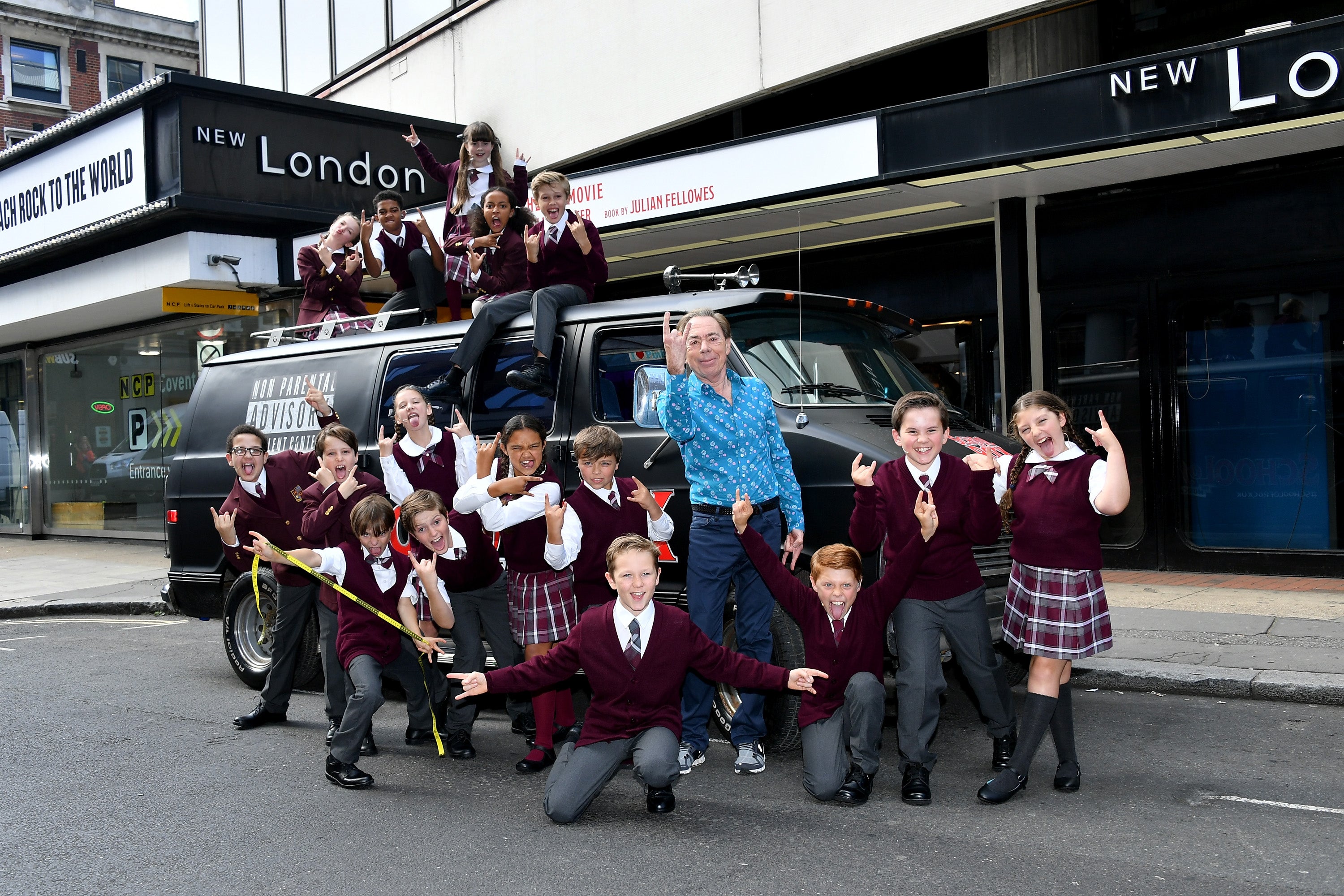
While working on School of Rock in New York, he stopped drinking and remained sober for two years. Then he began to fear that he could no longer compose without alcohol. The idea that he needed a drink to write became a trap, providing a justification for returning to the habit he was trying to escape.
He began drinking secretly. There were hidden bottles and the corrosive dishonesty of addiction.
“I was beginning to lose the family and Madeleine of all people,” he says. “And I thought, ‘This can’t go on.’”
He entered a clinic and began attending Alcoholics Anonymous meetings. The turning point came when another person described the concealment and deceit that had come to define his own life.
“That’s it. I cannot, I cannot go on.”
He attended meetings every day for more than 120 days, including while travelling in America. Fame, he discovered, offered no special status in a room full of people confronting the same problem.
“You think you do,” he says when asked whether being famous makes seeking help more difficult. “But then you go to a meeting, and nobody gives a damn who you are.”
One of his daughters attended Al-Anon, the fellowship for people affected by someone else’s drinking. At an open meeting, she spoke after her father, describing things she would never have said to his face in another setting.
Lloyd Webber was deeply moved. Someone who had attended meetings for more than 30 years told him it was the first time they had seen a daughter speak after her father.
The achievement was not that he had been forgiven, but that his daughter could speak honestly and he could listen.
There were amends to make, some decidedly ordinary. He began bringing Madeleine a cup of tea in bed in the morning, believing he was making a decent start.
Madeleine had another view.
“Andrew, about this making amends business…”
He waited.
“Could you make amends half an hour later?”
Their first conversation was similarly unsentimental. When Lloyd Webber told her he wrote musicals, she replied: “Oh, yes. I went to that Starlight Express thing and fell asleep during it.”
He liked her immediately.
Madeleine had begun life as an equestrian and was never inclined to be dazzled by theatrical fame. Asked what he has learned from their partnership, Lloyd Webber hesitates.
“When you find somebody who is really incredibly special, you kind of owe everything to them.”
It is an unusually spare sentiment from a composer famous for expansive romantic gestures. The love he describes is not the heightened passion of a stage musical, but something less spectacular and more demanding: loyalty, humour and the willingness to confront another person’s failings without abandoning them.
His recovery has required him to acknowledge that being loved does not exempt him from responsibility. Madeleine could support him, but she could not do the work for him.
When I interviewed Lloyd Webber in 1991, six of his musicals were running simultaneously in the West End. From Jesus Christ Superstar and Evita to Cats, Starlight Express and The Phantom of the Opera, his dominance of British musical theatre was almost without precedent.
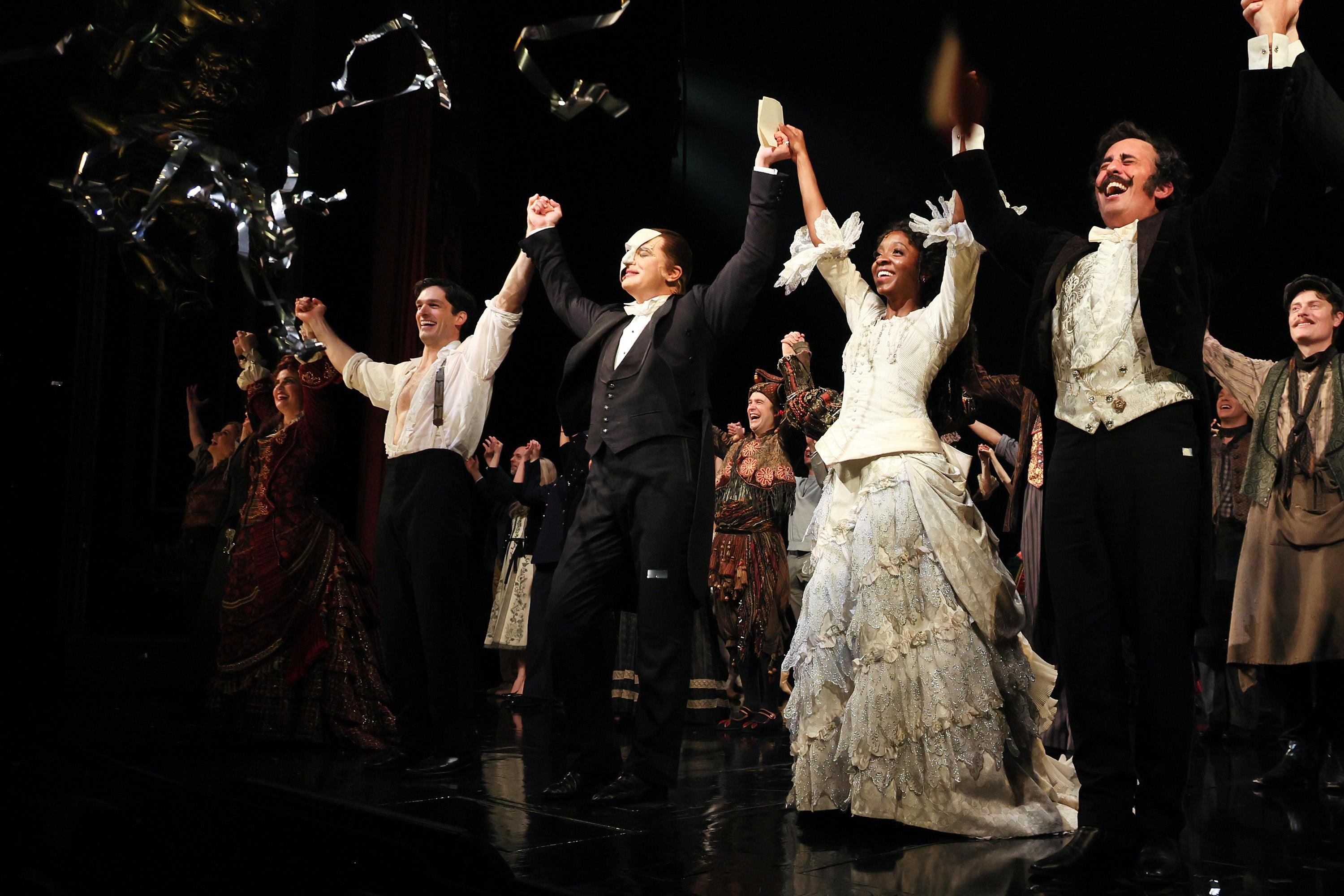
Phantom, which opened in 1986, was his attempt to write a great romantic musical after years spent exploring religious drama, political ambition and the eccentric universe of Cats. The result was a score of sweeping melodies and subterranean passions that became an international phenomenon. Four decades later, its appeal endures.
Lloyd Webber likes to see his work reinvented rather than preserved in aspic. A musical must have a life beyond its creator, belonging to the performers who reinterpret it and the audiences who discover their own meanings in it.
He is also clear-eyed about the limits of music itself. A great tune cannot indefinitely compensate for a weak story.
“A good story can carry an okay score,” he says, “but I don’t think a great score can work, however good it is, with a not very good story.”
That instinct was evident in Cats, based on the poems of TS Eliot, which his mother read to him when he was six. Years later, he began setting them to music. Valerie Eliot, the poet’s widow, introduced him to the story of Grizabella, the Glamour Cat, and the Jellicle Ball, at which one cat would be chosen for a new life.
There was no conventional narrative, and the money was running out as he tried to stage it.
“Everything was against it,” he recalls.
Working with producer Cameron Mackintosh and director Trevor Nunn, Lloyd Webber found himself £50,000 short of the necessary investment. He took out a second mortgage on his house.
A neighbour asked how things were going. Lloyd Webber admitted they were not going well and played him some of the music, including Memory. The neighbour offered the remaining money.
The song became one of the most recognisable melodies in musical theatre.
Lloyd Webber also remembers playing an early version to his father, William, himself a composer, and asking whether he had unconsciously borrowed something from Puccini. His father listened and delivered a verdict of sublime paternal economy.
“It sounds like $20 million.”
The story captures the mixture of instinct, risk and luck that has marked his career. It also suggests why he remains interested in the next project: the moment when something uncertain begins to take shape, before success makes it seem inevitable.
His latest musical concerns the theft of the Mona Lisa from the Louvre in 1911. The painting was not yet the global icon it is today; its disappearance helped transform it into perhaps the most famous picture in the world.
Lloyd Webber was fascinated by the irony. The Louvre did not notice the painting was missing for two weeks, and the Italian thief believed he was returning an Italian painting to Italy after it had been taken by Napoleon. The theft helped create the legend.
He hopes the musical will open in London, with a score combining Italian arias and Parisian harmonies. Approaching 80, he remains alert to the possibility that a new story might offer a new musical language.
His curiosity extends beyond his own work. He recalls presenting AR Rahman’s Bombay Dreams in London and New York, where one critic suggested he had lost his touch. Six months later, Rahman won two Academy Awards for Slumdog Millionaire.
Lloyd Webber wrote to the critic. He never received a reply.
He laughs, enjoying the vindication, but his interest in musical theatre is not confined to proving critics wrong. In China, he has encouraged composers to create work rooted in their own culture rather than imitate Western musicals.
“Write from your heart,” he told them. “Write something with your own stories and things that grab you.”

He has since seen a building in Shanghai containing 20 small stages devoted to new musicals.
At home, he is equally concerned about the future of music education. He believes the arts have been marginalised by an increasingly narrow emphasis on academic attainment, despite their capacity to build confidence and bring children from different backgrounds together.
He remembers visiting Highbury Grove School in Islington, where music had helped transform a struggling school. The children spoke more than 60 languages between them. Hearing them sing Mozart’s Ave Verum together moved him deeply.
“You see these kids all singing together,” he says. “You sing together.”
His message to government is direct: music education should be a right, not a privilege reserved for families who can afford lessons and instruments.
“Music empowers kids, and it brings them together.”
For Lloyd Webber, this is not simply about nurturing future performers. It is about giving children the opportunity to discover what they can do. Music has provided him with a career, a means of expression and the chance to bring pleasure to millions. He wants others to have access to something similar.
Forty years after The Phantom of the Opera, he is still chasing the next great tune. But perhaps the most moving thing about him now is his understanding of what music cannot do, as well as what it can.
It cannot bring his son back. It cannot erase the damage of the past or guarantee happiness.
It can, however, give him a reason to begin again.
As can every aspect of love, a show he wrote and a sentiment he embraces.
