


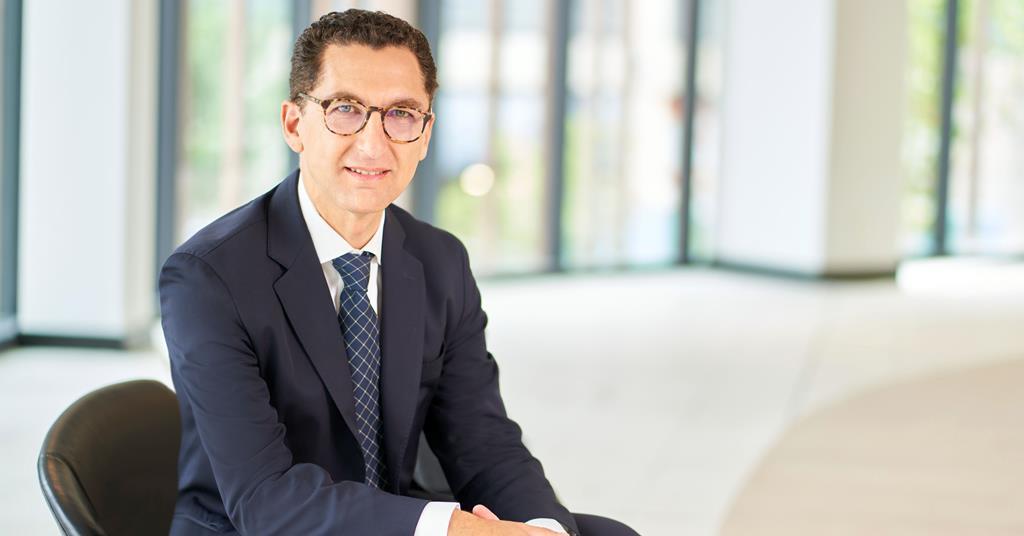
Canal+ CEO Maxime Saada said he stands by his controversial Cannes remarks saying the group would no longer finance films made by signatories of an open letter criticising its majority shareholder Vincent Bolloré’s influence over France’s media industry, but he denied the existence of any “blacklist”.
Speaking at the group’s general assembly on Friday (May 29), Saada clarified: “I obviously never mentioned a blacklist. There is no question of us going after the crew members who signed the petition and refusing to fund the films they work on. That is out of the question, and always will be.”
He added: “We are not going to target people who depend on their work to earn a living.”
Saada said the group’s film financing committee will select projects moving forward on a case-by-case basis. But he added that there will be a “new dimension”, namely “taking into account the views of those behind the project regarding Canal+. Have they actively caused harm to Canal+?”
He explained: “If someone rings your doorbell, calls you a fascist and then asks you for money, perhaps you won’t give them any money. And we’re going to do exactly the same.”
The original letter, which denounced Bollore’s right-wing influence on the company, was published on the eve of Cannes Film Festival and erupted into a full-blown controversy when Saada said during a producers’ brunch at the festival that Canal+ would no longer work with the 600 local signatories of the petition.
Saada’s response sparked immediate backlash as the petition grew to some 4,000 signatories, including international talent like Javier Bardem, Mark Ruffalo and Ken Loach. Throughout the festival, boos or silence were heard during festival screenings when the Canal+ logo appeared on screen.
On Friday, Saada defended Bollore saying he had helped to “turn Canal+ around” when the latter was still part of the Vivendi group. “Canal+, in France, was losing €400 million… we were heading for disaster, and we could forget about film funding.”
He also insisted that Canal+ remains an independent company following its split from Vivendi at the end of 2024. “[Canal+] is not controlled by the Bolloré group,” he said, even though Bollore’s company remains the “majority shareholder”.
Saada further noted that the company had supported 1,000 films while Canal+ was part of Vivendi, and thanked “the vast majority of professionals in the industry who did not sign this petition. Only 1-2% of the industry signed it.”
