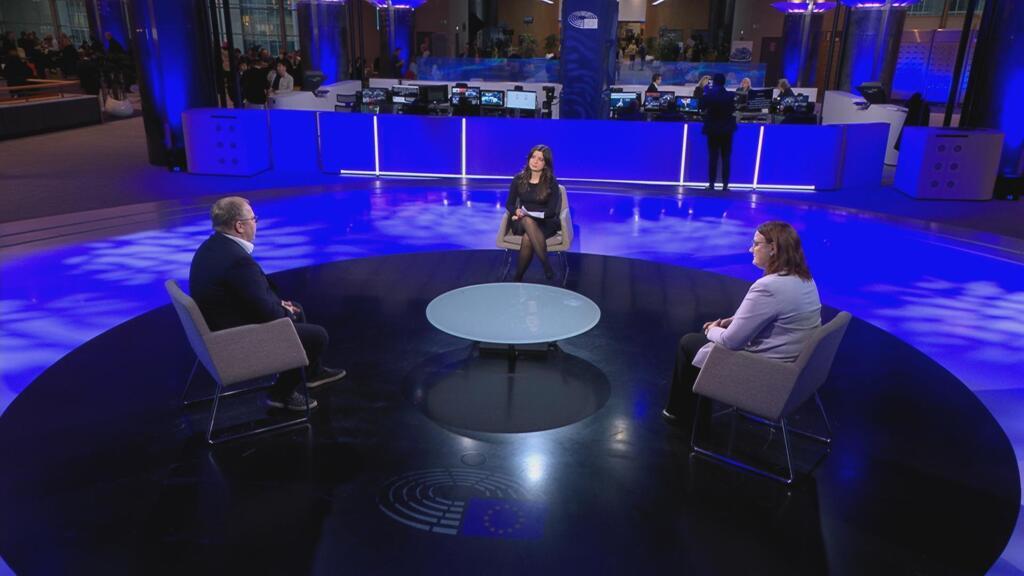
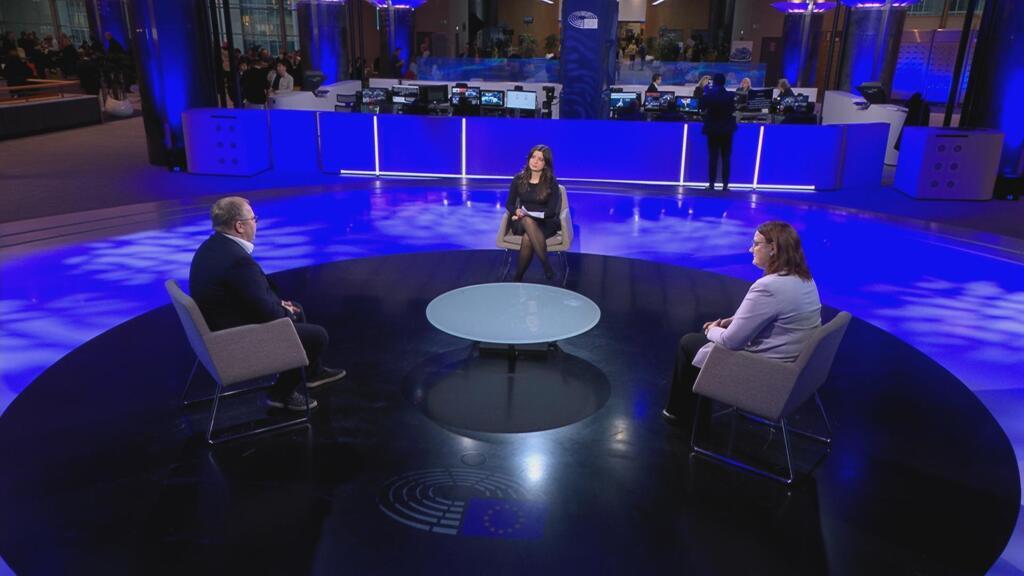
As 2025 draws to a close, the European continent is facing the most pressing of problems: how to raise financial support for Ukraine, almost four years into Russia’s full-blown invasion. Kyiv’s financial resilience is eroding and thanks to an unpredictable Trump administration questioning the cost of collective defence, Europe is now faced with shouldering the burden. EU Commission President Ursula Von der Leyen warned this week that urgent measures are needed to fill Ukraine’s €135 billion budget shortfall for the next two years. One option would be tapping €185 billion in frozen Russian assets –a move that has faced opposition from the likes of Belgium, where most of the assets are located. If no agreement is made among member states before the end of the year, it could have disastrous consequences. Von Der Leyen has stressed that what happens in Ukraine is fundamental not only to the country’s survival but to Europe’s future. We debate the future of financing Ukraine with our guests at the European Parliament in Brussels.
Trending
- Is sustainable travel possible in times of mass tourism?
- Dance Theatre of Harlem: The ballet revolution hits Paris
- Brit Awards 2026: The surprise performers, tributes, and bits you might not have seen | Ents & Arts News
- Israel renews attacks on Iran: IDF announces more strikes on Tehran
- Strait of Hormuz halts after US‑Israel attack on Iran
- AI willing to ‘go nuclear’ in wargames, study finds – amid ‘stand-off’ between Pentagon and leading AI lab | US News
- Rescue centre sees rise in abandoned cat families
- Collagen supplements ‘may boost skin health’ but they’re not an ‘anti-wrinkle quick fix’, study suggests | Science, Climate & Tech News