


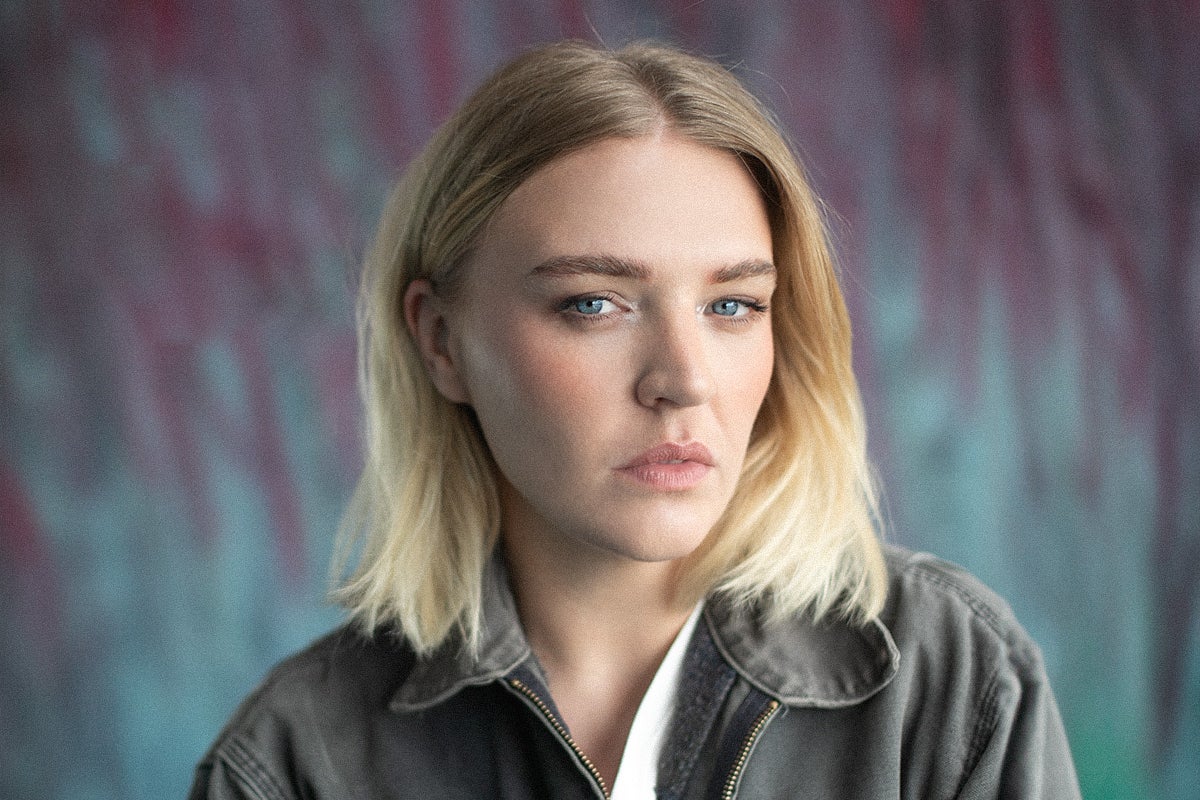
Rebecca Lucy Taylor – aka the pop star Self Esteem – recently woke up with two cold sores on her face. And that was just the start of it. “I felt very disturbed emotionally on Thursday,” she tells me, sipping a cup of tea. “I’m out of my depth and my comfort zone.” To blame? The unlikeliest theatrical collaboration of the year: Taylor is starring in a West End revival of David Hare’s 1975 play Teeth ’n’ Smiles.
He’s a septuagenarian statesman of British theatre, who once wrote a theatrical portrait of Neil Kinnock so savage that the former Labour leader called it “the most uncomfortable three hours of my life”. She’s been deemed the musical oracle for female millennials; her gigs feature defiant choreography and women barking like dogs, and her official merch store sells a scarf emblazoned with the word “HELP!!!!!!!!!!!”. An unexpected pairing, you might say.
For Taylor, though, the play feels very close to home. Teeth ’n’ Smiles, which opens at the Duke of York’s Theatre this month, is about a disillusioned, spiralling rock star called Maggie Frisby, whose self-destructive behaviour threatens to tear her band apart. “The more I mine for the gold in it, it’s crazy. Like, she feels ex-actly like I feel right now,” Taylor tells me one morning at the Bethnal Green rehearsal rooms. “I think this might really f*** me up if I’m not careful.”
Maggie, first played by Helen Mirren in the original Royal Court production (where Keith Moon tried to gatecrash the show), seems nihilistic, as if she doesn’t care about anything. But it’s more complicated than that. “Her frustration is: I’ve done everything I can. I’m f***ing good at what I do. I’ve delivered, and it’s just not happening for me.”
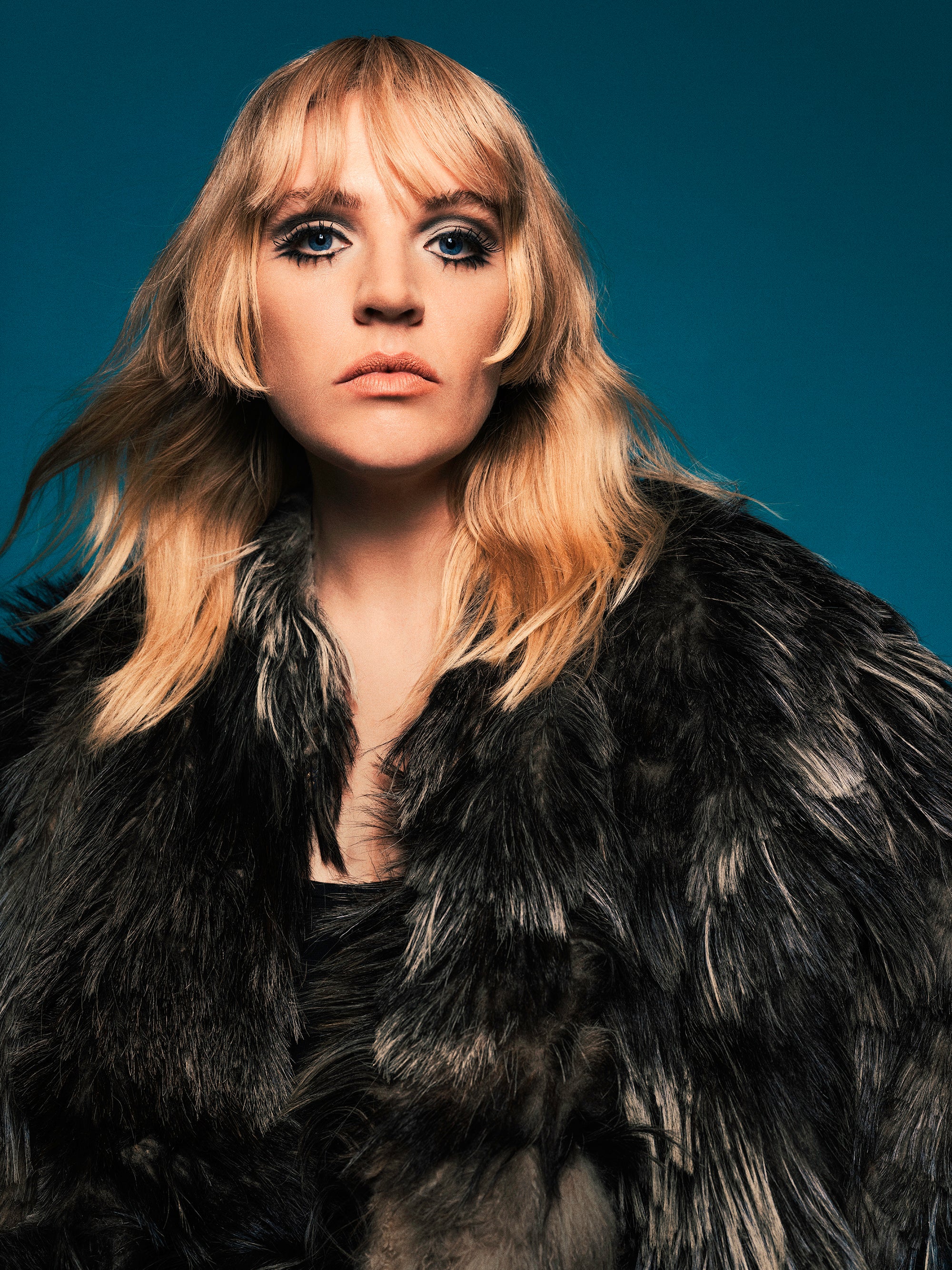
Taylor, of course, has been successful. She knows this. The problem, she thinks, is that “the system is broken”. She’s taking on the role of Maggie during a period of her own creative soul-searching, disorientated by both the long-sought breakthrough she had with her Mercury Prize shortlisted second album, Prioritise Pleasure, and the pressure she felt to quickly write the highly anticipated follow-up, A Complicated Woman. She’s been grappling with the uneasiness of having to commodify herself, and haunted by time-immemorial narratives about female obsolescence in pop music. She worked too hard, and became “knackered” and “fed up”.
“When things went well for me finally, I just got distracted from the actual goal of what music is,” she explains, clad in a sleek black tracksuit, her bright blonde hair centre-parted. Teeth ’n’ Smiles is helping her to rediscover the fundamental impulse that drove her music in the first place. “I can’t understand being alive. It’s so mental to me. I want to understand it. I want to feel it.” She summons a childhood memory of standing on top of the sofa “and imagin[ing] it was like a f***ing mountain top”. “I just want that feeling again,” she says.
Talking to Taylor is a bit like getting a really good 10-minute voice note from your friend; she swears a lot, regularly laughs at herself. You feel she might tell you everything, and you’d probably do it back. You’ll talk about existentialism and Derren Brown, botox and whether to have a baby, all in the same conversation. She jokes that she’s “a pop star trying to have an acting pivot – it’s very hairy territory”. But it’s obvious how much this matters to her.
Sometimes I’ve been rock-bottom depressed because of music. And I’m like, it’s just songs, though?
The Rotherham-born singer left indie folk duo Slow Club in 2017 after more than a decade, feeling unfulfilled, and started again under the name Self Esteem, bringing a distinctly British flavour to pop bangers that were as infectious as they were questing. In 2022 she composed the soundtrack for Jodie Comer’s award-winning play Prima Facie; a year later, she took over the role of Sally Bowles in Rebecca Frecknall’s all-conquering production of Cabaret.
Last year she launched her third album, A Complicated Woman, with a meticulously crafted stage show, and released a book with the same title, a mish-mash of Notes-app philosophising about life as a woman in the 2020s. Before all this, she wanted to act but didn’t get into drama school, so a West End play seems an obvious move. But Taylor’s motivation for doing Teeth ’n’ Smiles is blunter. “I felt a bit, you know, dead, for a while.”
Along with reconnecting her with her creative motivations, Teeth ’n’ Smiles has Taylor circling around why she even does all this in the first place. A speech in the play basically asks: “What the f*** are we doing when the world is burning?” Recently she wrote a song called “They’re Just Songs”. She laughs. “It’s about going, you know what? Like, it’s ruined my life. Sometimes I’ve been rock-bottom depressed because of music. And I’m like, it’s just songs, though? You’ve got a f***ing roof over your head.”
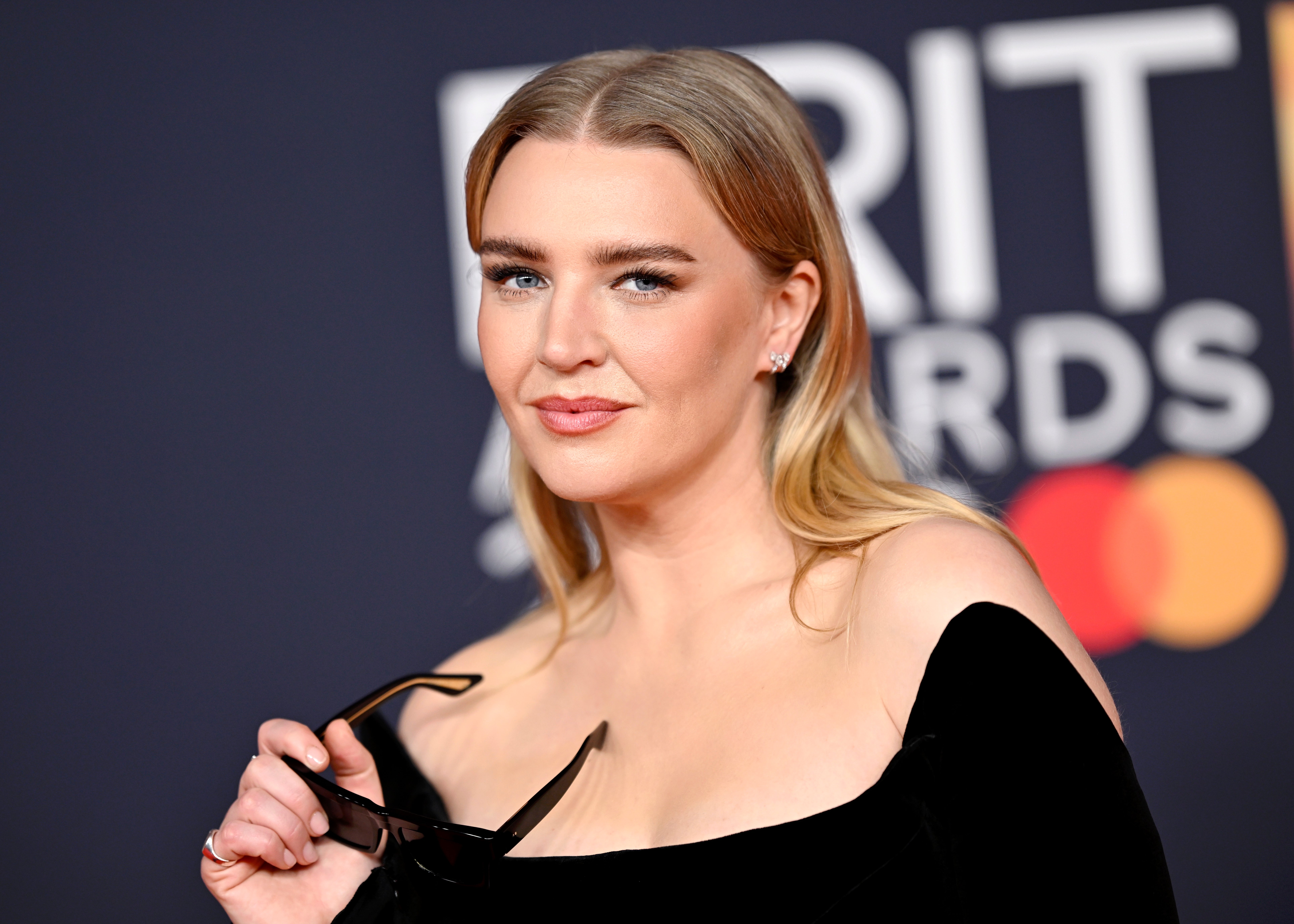
Through force of will, Taylor created Self Esteem, carving out a space for herself in the music industry where she could make feminist music that was hard to categorise, mixing spoken word, belting choruses, and goosebump-inducing choral back-ups. “I just forced my life into what I needed it to be,” she says.
The songs she writes are the kind that would crown your night out and have you chanting the words in your best friends’ faces, like “Sex on Fire” or “Mr Brightside” but for women in their thirties who have already gone to bed. There’s “The Deep Blue Okay”, in which she yowls her way to self-compassion; “You Forever”, an incantation challenging us to be braver; and, of course, the anthemic, Baz Luhrmann-esque “I Do This All the Time”.
In that song, she told us to not “be intimidated by all the babies that they have”, that “getting married isn’t the biggest day of your life – all the days you get to have are big”, lyrics embraced as instant classics. I wonder if she really meant them at the time? It was “the germination of my feelings about comparison and timelines and stuff like that”, she says. Everyone around her was doing those things, and no one reassured her that it was fine that she wasn’t. “There’s a lot of spite in some of my lyrics that I now see was just from jealousy and panic,” she admits.
Although that wasn’t one of them. She was saying not to worry, that whatever happens is valid. “Now I’ve got a 25-year-old friend who’s like, ‘What’s going to happen to me?’ I’m like, ‘Oh my f***ing God, nothing! Don’t f***ing think about anything for 10 years at least!’” But this year, Taylor will turn 40, and does find herself indisputably in what she calls “baby or not” territory. In her book, she documented the process of freezing her eggs. She has no regrets about where she finds herself at this age, but is frustrated by the limit women face with their fertility.
Does she want to be a mum? “Politically, no…” She is in a happy relationship, though, and her boyfriend would like to have children. “I think the answer is yes, but I want five more years. And that’s not really possible.” Her therapist thinks that actually she wants to be a dad. “I’ve watched dad after dad in music have the joy of parenthood, and nothing happens in their careers at all. And I know for a fact it will massively affect mine.”
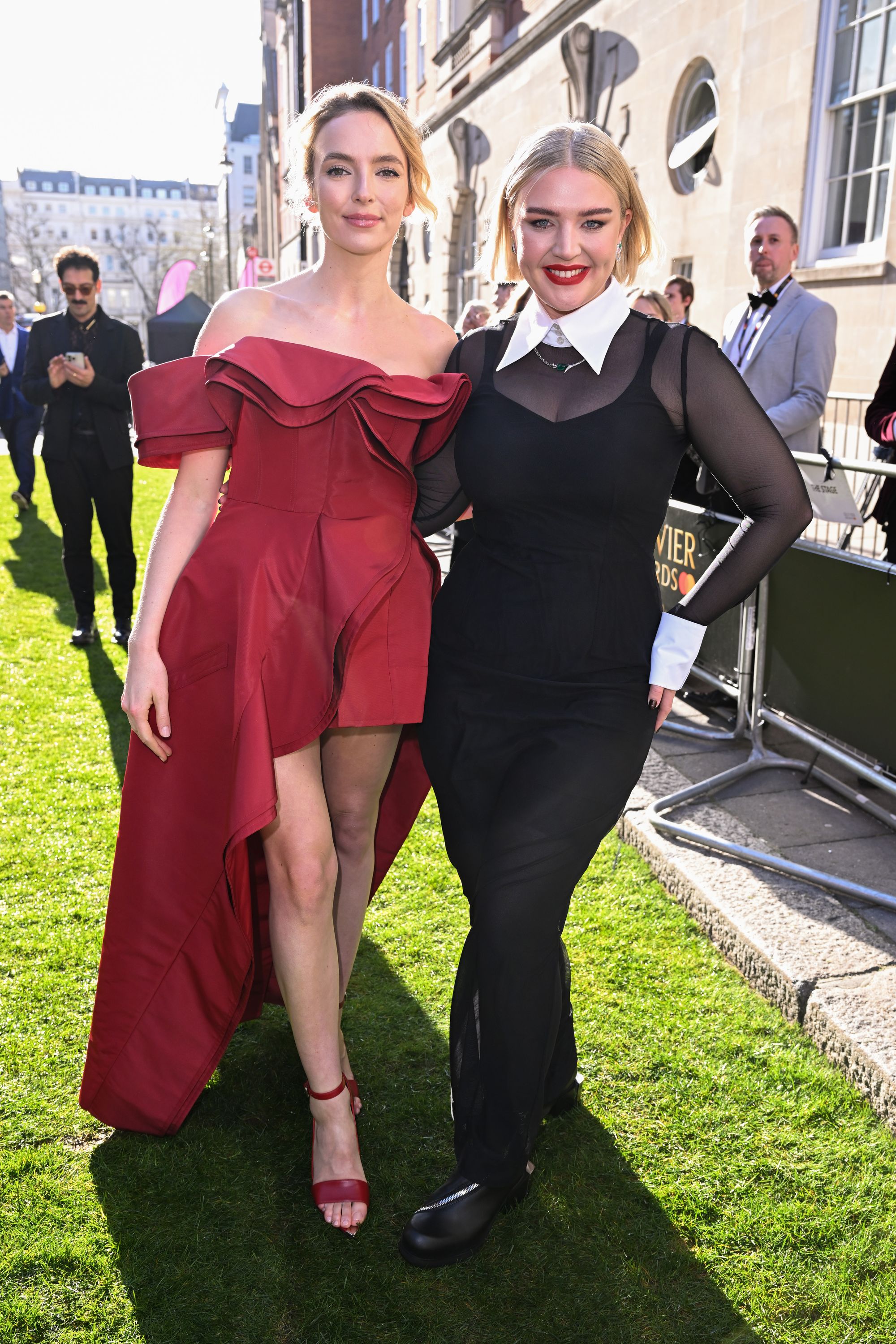
Her existence as a thirtysomething pop star who mainly writes about relationships from the perspective of building a healthy one with yourself feels like a balm, particularly for those of us who grew up idolising female stars who we now know were traumatised by the intense scrutiny of early fame. But it’s a lot for Taylor to handle personally.
“People go, ‘That’s why you’ve got to exist!’ And I’m like, ‘But it’s exhausting,’” she says. “Why do I have to be the one who pushes through millennia of internalised misogyny, that I also have about myself on a stage, dancing and wiggling my arse? I’ll get back that drive to document it, interrogate it and push through. But last year I was like, ‘I don’t want it!’”
Even if she has mixed feelings about her most recent album, A Complicated Woman, it did earn her an Artist of the Year nomination at the Brits last month (the prize went to Olivia Dean). “Definitely 20 per cent of that album, I love, but I would do differently with the brain space I’m in now,” she says. She wrote it knowing it needed “a song for Radio 1, a song for Radio 2, a song for 6 Music”, but “I sort of love that it’s unpleasant and complicated, because that’s what the album is.”
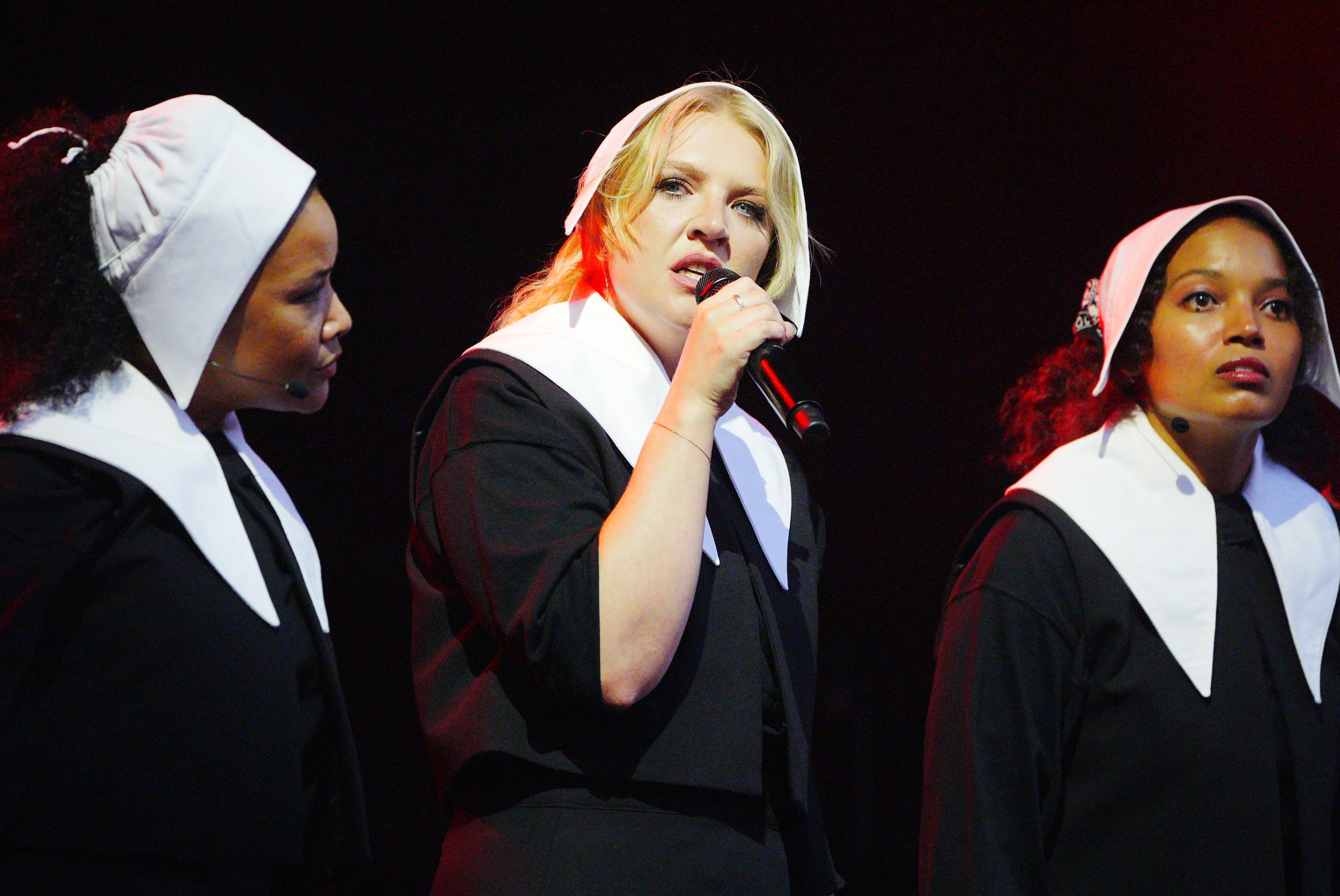
Next, she has an idea for a novel, and would like to continue acting, her taste more Sally Wainwright than Marvel (she did in fact audition unsuccessfully for Wainwright’s BBC drama Riot Women). She’ll approach that career very differently from music, though. “If this goes well and people want me to do more things, it’s really important to not get obsessed with the growth of it or the exposure of it. I can’t do to this what I’ve done to music.”
The fact that she’s turning 40 this year is something she finds “f***ing funny”. “I don’t feel it,” she says. “I said to my therapist, literally, I cannot believe I am 39; there is nothing that suggests that I am.” To celebrate, her friends are going to put on a talent competition for her where she gets to be the judge. “I don’t have to perform at all. Because they get guest lists all over the shop, it’s my time to be entertained!”
I want to keep destroying my soul in the hope of a feeling that maybe I’ll never fully have. And also, I want to watch the telly with my nice boyfriend and dog
Taylor has already done so much, and although she says she’s going to take some overdue time off, it’s clear that she’s compelled by a restless creativity that never really lets go. I wonder what she wants, ultimately. “Er, are you my boyfriend?” she jokes. The answer, though, is all of it. “I want to be artistically stimulated, and I want to keep destroying my soul in the hope of a feeling that maybe I’ll never fully have. And also, I want to watch the telly with my nice boyfriend and dog, and have my mum and dad round for dinner.”
She laughs, shrugs. “I’m going to be the first woman to have it all.” Why not? It seems perfectly reasonable.
‘Teeth ’n’ Smiles’ is at the Duke of York’s Theatre until 6 June
