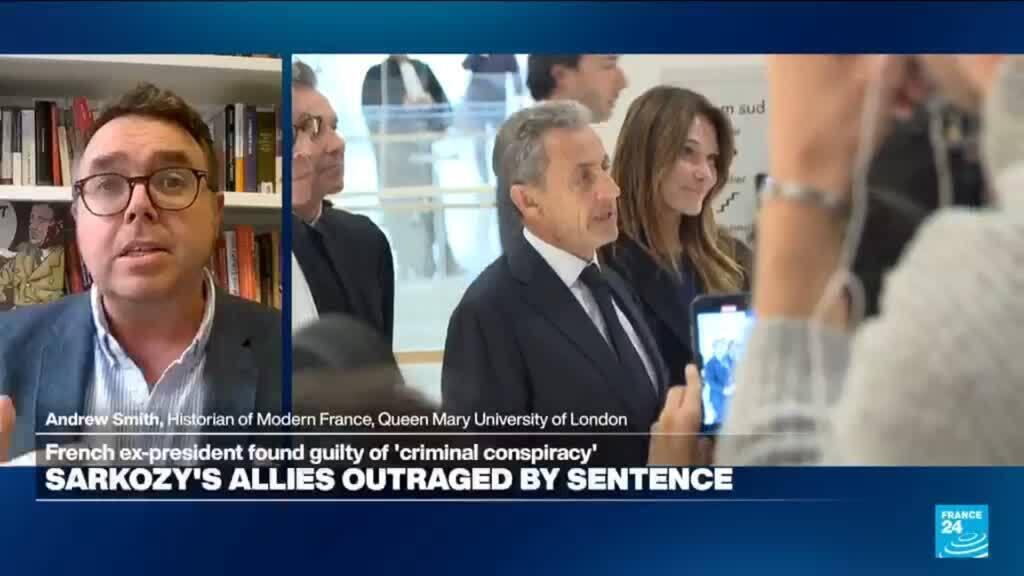
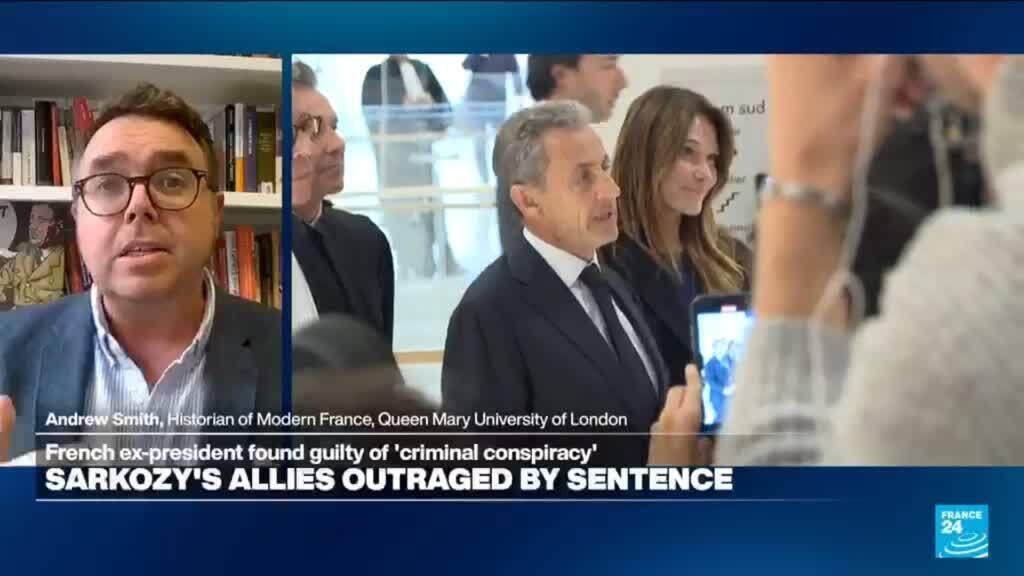
In a politically charged and deeply polarised France, the sentencing of a revered yet divisive former head of state has become a defining test of institutional independence. Former President Nicolas Sarkozy, once the standard-bearer of the Gaullist tradition, now finds himself at the centre of one of the sternest judicial sanctions ever imposed on a French leader. This is not his first encounter with the courts: Sarkozy’s career has long been shadowed by trials and sprawling investigations that probe the boundaries between political power and personal accountability. To help us untangle the legal, moral, and political implications of this moment, we are joined by Dr. Andrew Smith, historian of modern France and Lecturer in Liberal Arts at Queen Mary University of London. Together, we ask: how did a figure who once set a hardline tone for the Fifth Republic become a symbol of its judicial reckoning?
Trending
- Zon op je bol is fijn, maar hoe schadelijk is dat in maart? ‘In het voorjaar kan de zonkracht al hoog zijn’
- Why a good night's sleep starts in the morning
- Behind Trump’s Reversal On Regime Change
- La Liga: Real Madrid lose again as FC Barcelona get gap at top of table
- US-Iran war adds to list of concerns
- Government ‘looking at all options’ to support Britons as some flights resume
- Iran shuts down the Strait of Hormuz. What more can it do?
- How two directors fought back when their film was stolen