


When Fashion Trust launched in the United States in 2022, ahead of 2023’s inaugural ceremony, the environment for independent designers was tough. An economic crisis was driving costs through the roof, hitting small brands especially hard. The first crop of Fashion Trust US (FTUS) finalists expressed their need for more tangible means of support.
Four years on, building — and maintaining — a brand is tougher still. Since 2023, multibrand online retailers Matches, Farfetch and Ssense have all filed for bankruptcy. Just one year after Saks acquired Neiman Marcus and Bergdorf Goodman at the end of 2024, forming Saks Global, the group faced the same fate. (It’s now restructuring in a bid to regain solvency.) Across all bankruptcies, it’s the small- to mid-sized independent brands that typically remain unpaid. Then, in 2025, tariffs hit, reshaping the global fashion map and leaving brands to navigate the rising costs of production, importing and selling.
And though cities like Paris and Milan provide robust support schemes for independent design talent, institutional support in the US is limited, with no government funding and few awards schemes. The annual CFDA/Vogue Fashion Fund is the country’s most notable, and has awarded over $8 million to young talent in private funds raised from various donors over the years.
With FTUS, founder Tania Fares wants to increase the amount of support available to American designers. “The system here is fast and very commercially-driven and support hasn’t quite caught up with that reality,” she says, four years into the nonprofit’s founding. “There are strong initiatives, but not enough of them — especially given how big the United States is.”
“We all know that the fashion industry is meaning, competitive and constantly evolving — yet it has the power to bring people together beyond background or differences, to create and move forward collectively,” Fares said on Tuesday evening, at the fourth annual FTUS ceremony in Hollywood, Los Angeles.
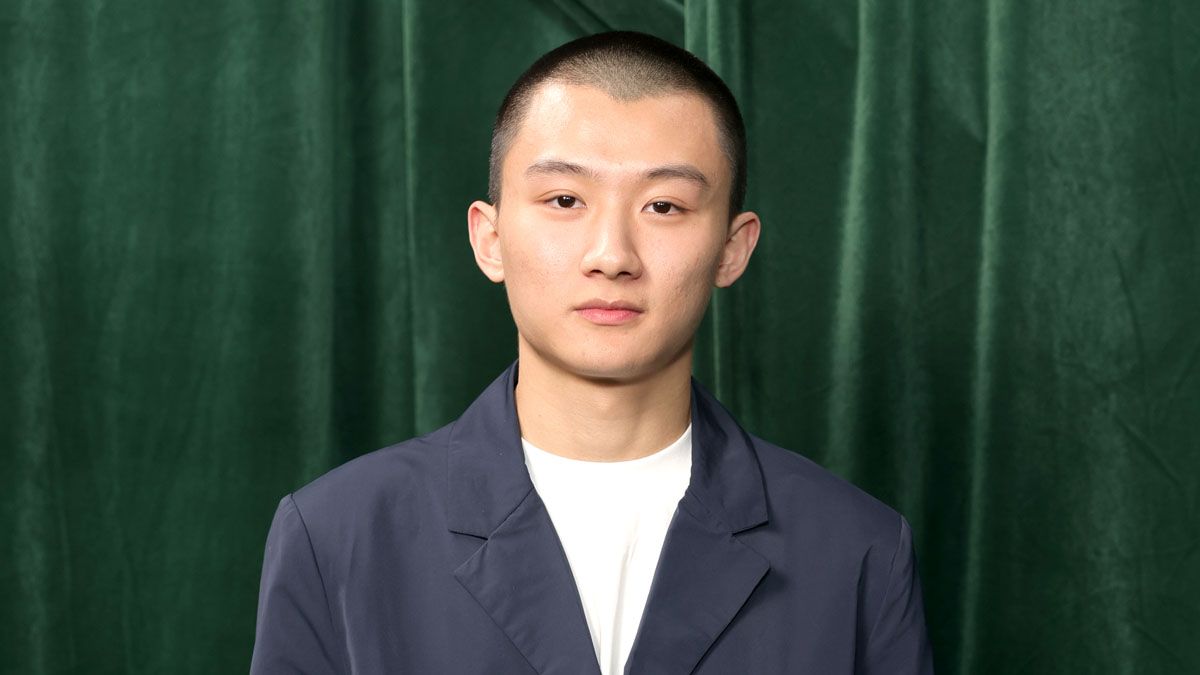
Zane Li of Lii, who founded his New York-based brand two years ago, won the ready-to-wear award, thanking Fashion Trust US, the judges, stylist Kara Welch for encouraging him to apply — and his husband, stylist Jason Rider.

Li’s fellow finalists were Ashlyn’s Ashlynn Park, Advisry’s Keith Herron and AnOnlyChild’s Maxwell Osborne and Kristy Chen. All, bar Lii, have been in business for at least four years; these aren’t new brands. (FTUS requires applicants to be between two to seven years in business; finalists are often on the latter side.) This is key to Fares’s approach to FTUS. “It was very important for me to do seven years, not three or four or five,” she says. “So you’re not as young, you’re a bit more established.” The board also looks at a brand’s business structure and financials to ensure they have a solid base FTUS can help them build upon. The past three winners of the ready-to-wear awards are Aisling Camps (2023), Charles Harbison of Harbison Studio (2024) and Rachel Scott of Diotima (2025).
