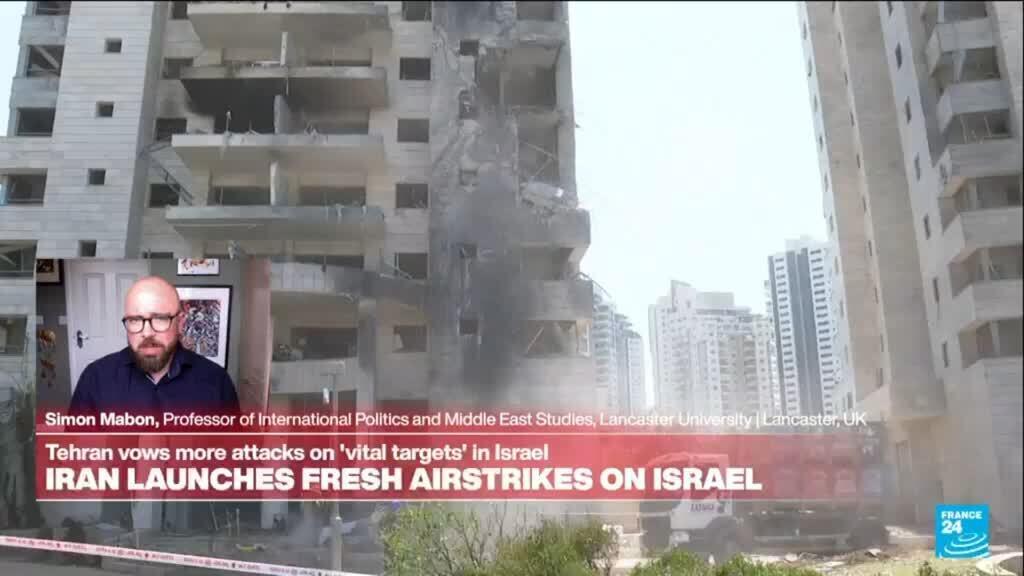

Israel’s strikes on Iran have targeted several of its nuclear facilities, as it claims the Islamic republic is seeking to develop nuclear weapons — an accusation Tehran denies. All the while, the IAEA has not detected any increase in radiation levels at the affected sites. After the United States unilaterally withdrew in 2018 from a landmark deal that sought to curb Tehran’s nuclear activities, Iran has gradually retreated from some of its obligations, particularly on uranium enrichment. For in-depth analysis and a deeper perspective, France 24’s Annette Young welcomes Simon Mabon, Professor of International Politics and Director of the Richardson Institute for Peace Studies at Lancaster University, specialising in Middle East studies. He is also Director of SEPAD (the Sectarianism, Proxies and De-Sectarianization Project).
Trending
- Tricia Tuttle to remain Berlinale head — with conditions
- Berlinale executives summoned over film director's anti-Israel speech
- Rapper Ghetts jailed for killing student in hit-and-run | UK News
- How Trump Decided to Go to War
- US sank Iranian warship, Pentagon announces in press briefing
- Iran attacks on Gulf oil and gas sites trigger energy fears
- ‘Hamnet’ | Anatomy of a Scene
- Asia stock markets slump and oil rises on fears Iran war may drag on