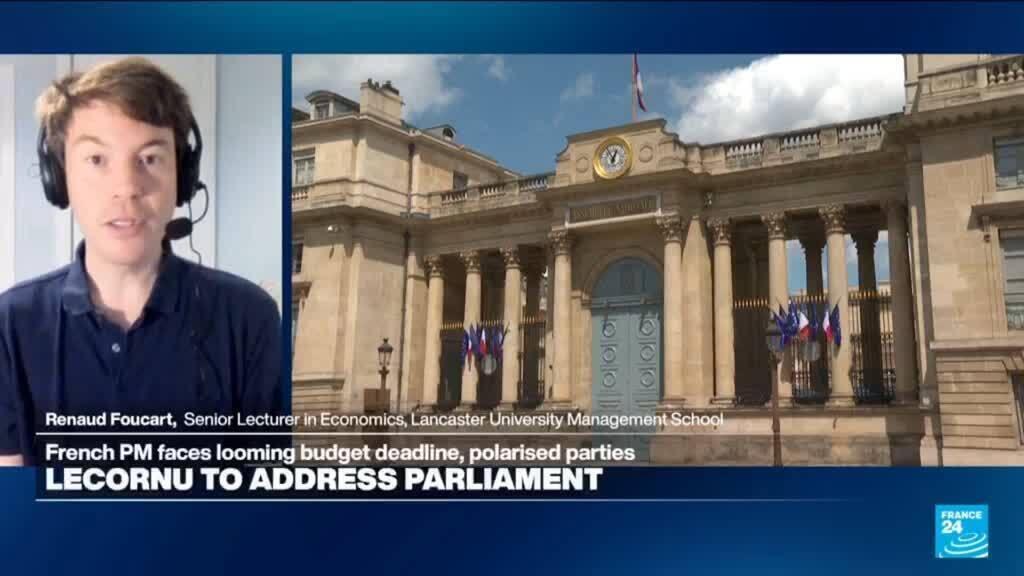
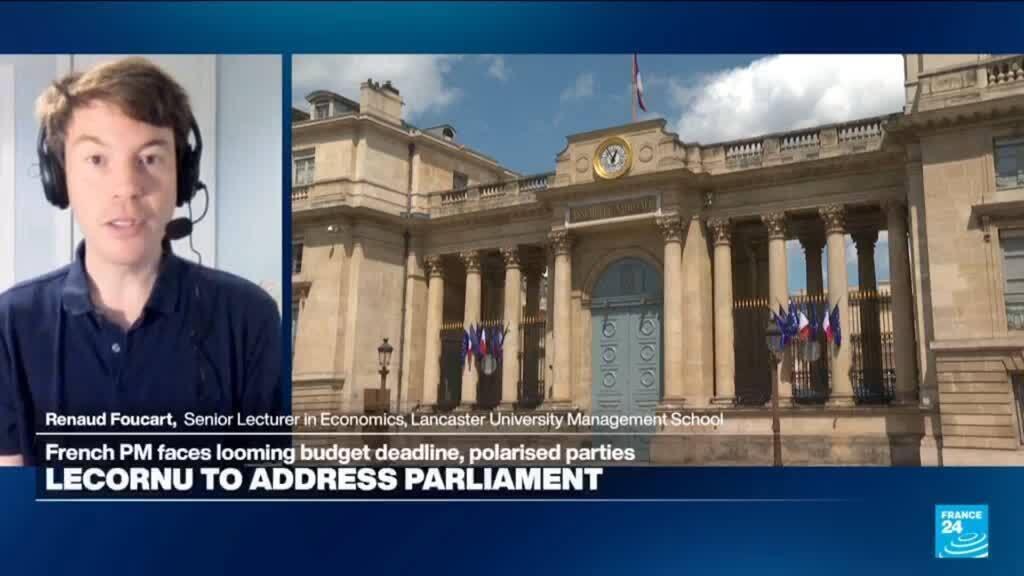
Amid political and economic turbulence, few issues have illuminated the fault lines of French governance quite like the highly unpopular pension reform. And the clash goes far beyond policy, it inflamed an already angry and volatile electorate and parliament the moment Macron forced it through with article 49.3. So now why is a reform so central to Macron’s reformist agenda now regarded as the sacrificial lamb that just might be a saving grace to the autumn of his presidency? To answer that question, Eve Irvine is pleased to welcome Renaud Foucart, Economist and Senior Lecturer in the Department of Economics at Lancaster University Management School. What does its suspension signal, not only for France’s public finances, but for democracy, trust, and the moral contract binding the state and the citizen? Will France’s fiscal trajectory be cast into limbo: will debt burdens accelerate, will any future reform agendas lose credibility? Whoever governs in 2027 will inherit an escalating budget crisis without any political capital or room to manoeuvre. Mr. Foucart does caution though that postponing action today compounds risk tomorrow.
Trending
- The making of ‘Red Berlin’
- Ed Sheeran calls Gaza war catastrophic after dropping Macklemore over pro-Palestinian comments
- Lisa Riley – News, views, pictures, video
- ‘La Bola Negra’ wins TIFF audience award, ‘Angh’ triumphs in Platform | News
- Ben Affleck Nearly Cast Ex Jennifer Garner In ‘Animals’ As His Wife
- ‘La Bola Negra’ Wins Audience Award
- Sylvester Stallone Opens up About His Underdog Story and ‘Rocky’
- Fed's Kashkari says inflation is still too high across US economy, in Fox News interview