

In the face of thousands of killings, leading figures in Iranian sport have been vocal about the need for help and action.
Former Iran and Bayern Munich star Ali Karimi signed an open letter to FIFA President Gianni Infantino, calling on him to “publicly condemn the mass killing of civilians in Iran, including members of the football community.”
Karimi, along with 20 other signatories that include other former internationals, a coach, a referee and sports journalists, also asks FIFA to act in the face of human rights being violated. In the letter, the other two formal demands are to publicly acknowledge that the Iranian FA has violated FIFA statutes and that the FA be suspended from all FIFA competitions immediately, notably the 2026 World Cup.
Among the thousands killed this month were what the letter describes as “a significant number of members of the football community.”
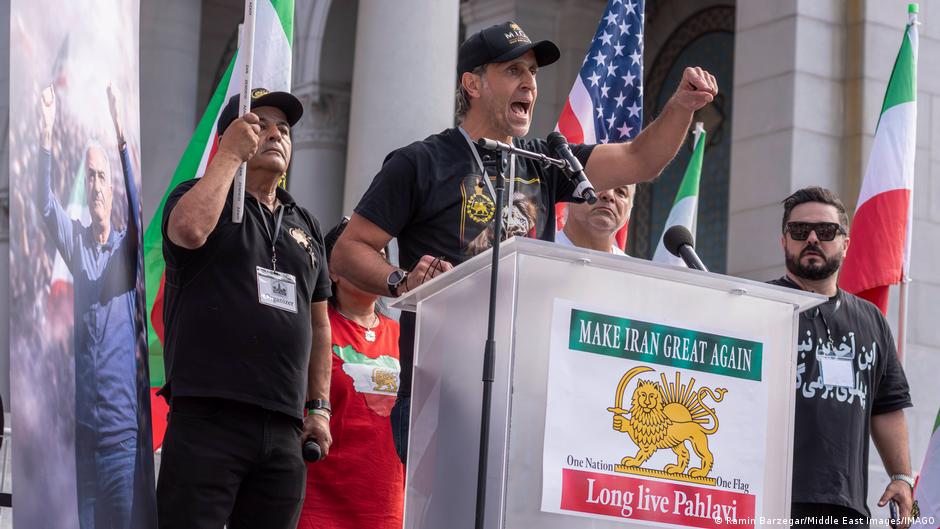
Karimi has been living in the United States since 2023, and spoke in January at a protest in Los Angeles and called for political change. Sport’s fight against the regime has long been contested in Iran. Three years ago, speaking at an event at the German Football Museum in Dortmund organized by the German Football Association (DFB) in cooperation with Amnesty International, Ali sent a video message about the then-protest for freedom: “Athletes should always be on the right side of history,” he said.
FIFA has yet to comment on the letter, which finished with: “Silence in the face of these crimes amounts to abandoning the very principles that global football claims to defend.”
Iranian protests growing
Mass protests began in Iran in late December, connected to the ailing economy. They have since spread across the country, with demonstrators calling for a change of government and “death to the dictator.”
Thousands have been killed as authorities try to crush dissent, with official casualty figures in doubt.
Former Iranian canoeist and swimmer Reyhaneh Amro moved to Germany more than a decade ago. Amro has become more of an activist over time, having left Iran because she felt she couldn’t express herself openly.
“I couldn’t continue working with the regime there,” Amro told DW.
“Generally speaking, when you’re there, you always have to keep quiet, you have no human rights, you just have to work in a way that satisfies them, then you’re safe, and if not, then you’ll either be excluded from the national team or have to continue working on your career.”
Amro believes the reason athletes have been targeted is because they have “enormous social influence” and that means “there is a great fear that they will all rise up against the regime and demonstrate.”
Even in the face of cyberattacks and danger, Amro has been speaking up since she has been abroad. Driven by her desire to raise awareness and support Iranians back home, Amro has remained vocal.
“We are all in danger. But if we remain silent and, as I said, don’t raise our voices, nothing will happen,” Amro said. “And right now, they have already killed so many young people. How can you see that and remain silent? No, let’s keep fighting. I’m not afraid at all.”
Amro, like Karimi and many others, believes her protest is about something bigger than herself.
“It’s about the whole of Iran, it’s about the people who live there. And we are only a small part of that,” Amro said.
“We always need your help and your voice from Europe, America and everywhere else so that the regime is excluded from the world.”
Alima Hotakie conducted the interview with Reyhaneh Amro
Edited by: Chuck Penfold
